
How to Reuse Fine Coal Dust in Briquette Manufacturing?
For coal processing plants, mining operations, and metallurgical factories, fine coal dust is often treated as a waste product — stockpiled, sold at low prices, or even dumped. But this overlooked material still holds significant energy value. The problem is not the coal dust itself; it is the lack of the right equipment to transform it into a usable, high-value fuel.
A coal dust briquette machine solves this by compressing fine coal particles into solid, uniform briquettes that are easy to handle, transport, and burn. Reusing coal dust through briquetting turns a disposal cost into a profit center — and it starts with the right coal briquette production line.
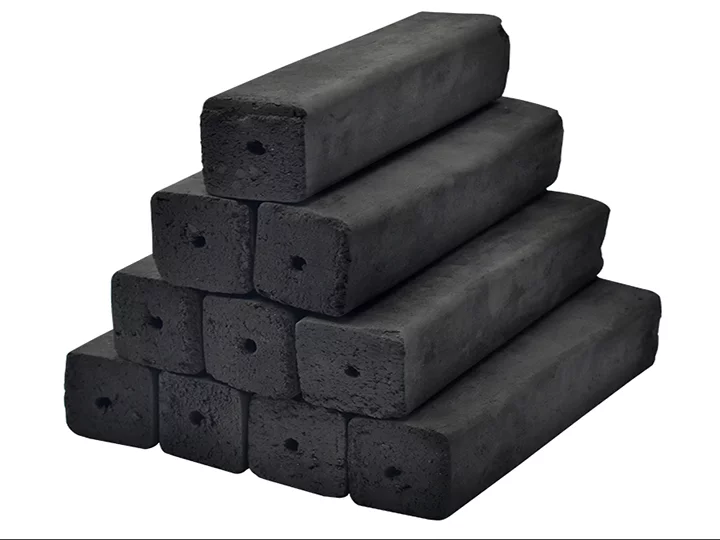
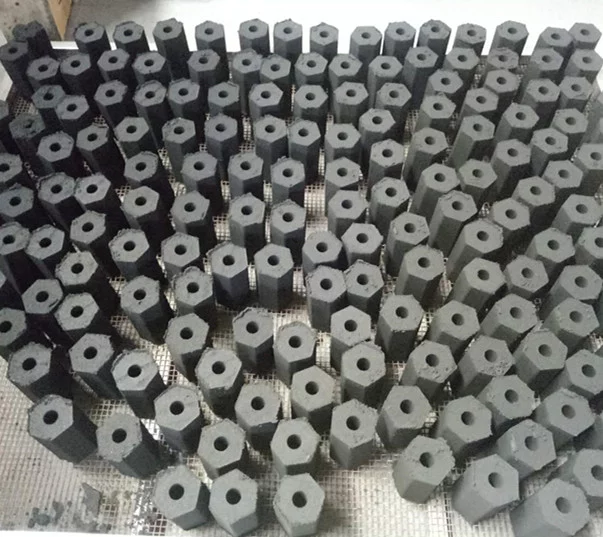
Fine Coal Dust Is a Resource, Not Waste
Every year, coal mining, washing, and processing operations generate millions of tons of fine coal dust and coal fines. These particles are too small for direct combustion or sale as lump coal. They are difficult to store, prone to dust clouds, and easily lost during transport. Many plants simply pile them up or sell them at a fraction of their true energy value.
However, the calorific value of fine coal dust is often nearly identical to that of lump coal. The material itself is not low-grade — it is just in an unusable form. A coal dust briquette machine compresses these fine particles back into a solid, dense block, recovering nearly all of their original fuel value. Instead of paying for disposal, plants can sell or use the briquettes as premium fuel.
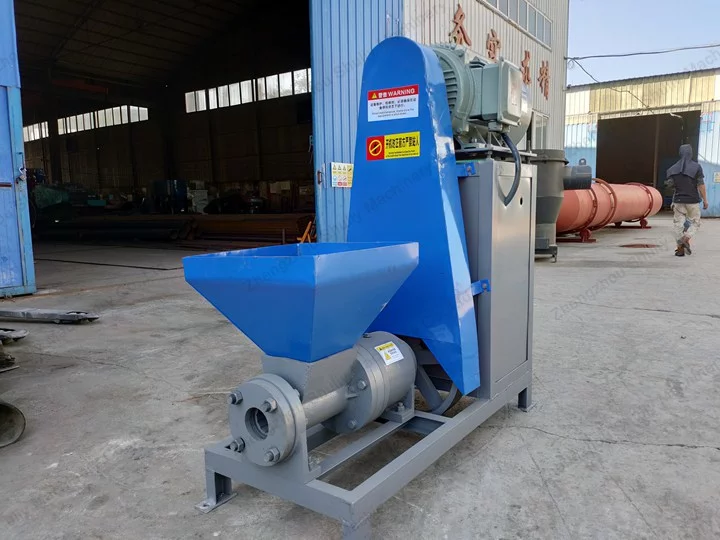
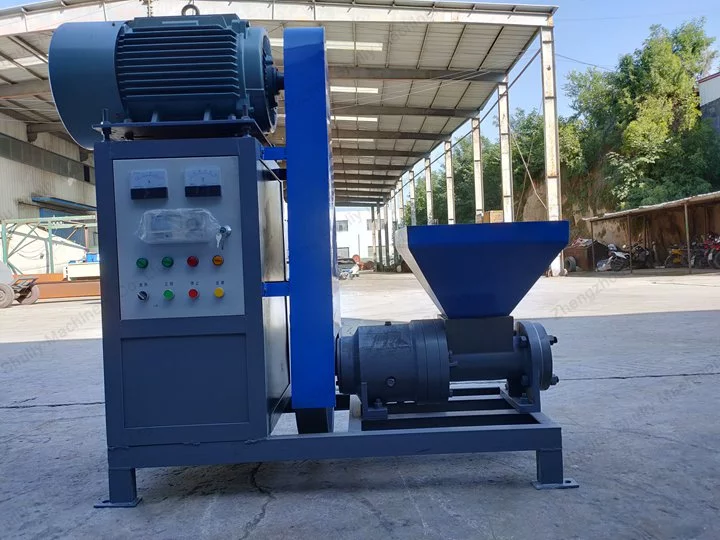
Crushing and Screening: Prepare the Raw Material
Before coal dust can be briquetted, it must be prepared to a consistent particle size. Oversized chunks, foreign materials, and metal debris must be removed. A typical preparation stage includes a crusher (or hammer mill) to break down any agglomerated lumps, and a vibrating screen to ensure the fine coal passes through — usually below 3 mm.
Uniform particle size is essential because it allows the coal dust briquette machine to apply even pressure across the material, producing briquettes with consistent density and strength. In a complete coal briquette production line, the crusher and screen are the first stage, feeding properly sized material into the next step.
Drying Controls Moisture for Better Compaction
Moisture content is one of the most critical factors in briquette quality. If the coal dust is too wet — above 10–12% moisture — the briquettes will be soft, crack easily, and fail during handling and transport. If the material is too dry, the binder may not distribute evenly, leading to weak adhesion.
A rotary dryer or mesh belt dryer is used to reduce the moisture content to the optimal range — typically 8–10% for most coal formulations. In a well-designed coal briquette production line, the dryer is positioned after crushing and screening, ensuring the material entering the coal dust briquette machine has the right moisture level for maximum briquette strength.
Mixing with a Binder Ensures Briquette Strength
Most coal dust requires a binder to hold the fine particles together under pressure. Common binders include starch, molasses, lignin, clay, or composite chemical binders — typically added at 3–8% of the total weight. The binder must be evenly distributed throughout the coal mixture for uniform adhesion.
A twin-shaft mixer or high-speed mixer blends the coal dust, binder, and a precise amount of water into a homogeneous mixture. When this well-mixed material enters the coal dust briquette machine, the binder activates under pressure, bonding the particles into a solid, durable briquette that won’t crumble during storage or transport.
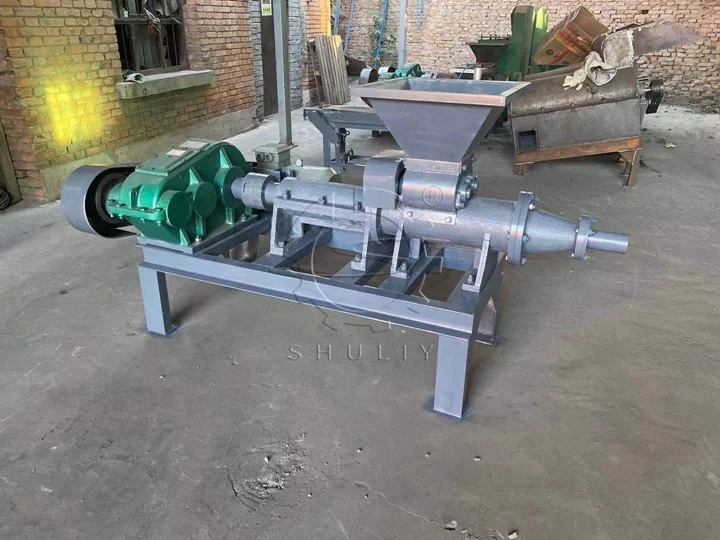
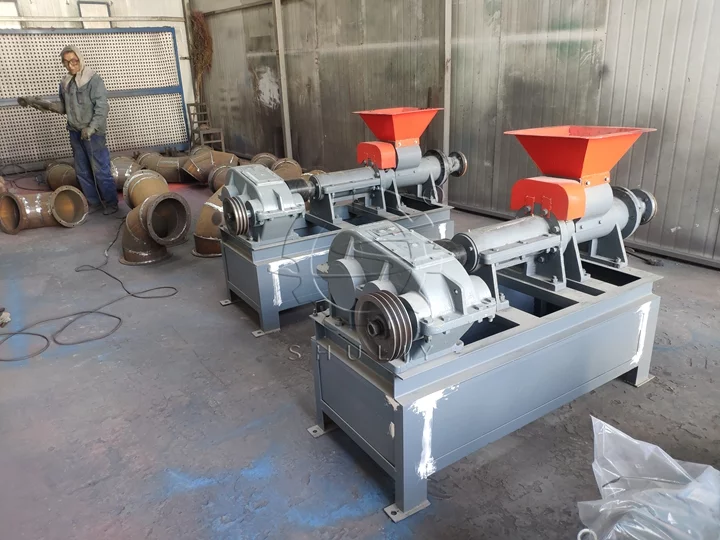
The Coal Dust Briquette Machine Is the Core of the Process
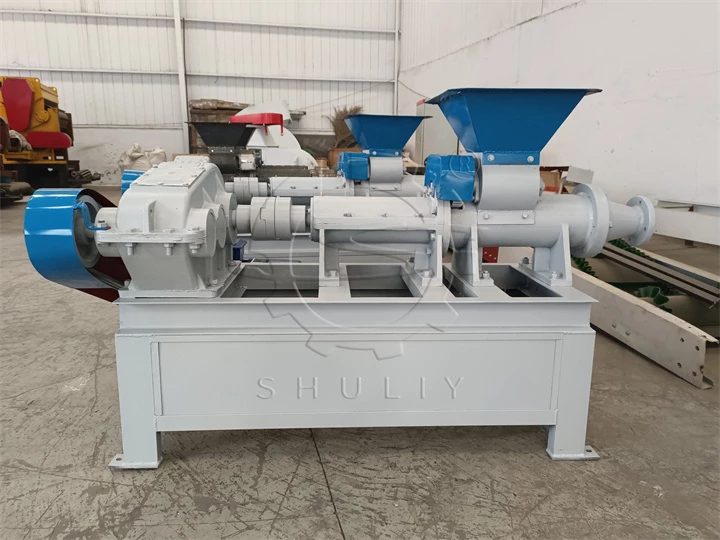
یہ coal dust briquette machine is the heart of the entire production line. It takes the prepared, mixed material and compresses it under high pressure — typically 50–200 MPa — into uniform, solid briquettes. The most common machine types are:
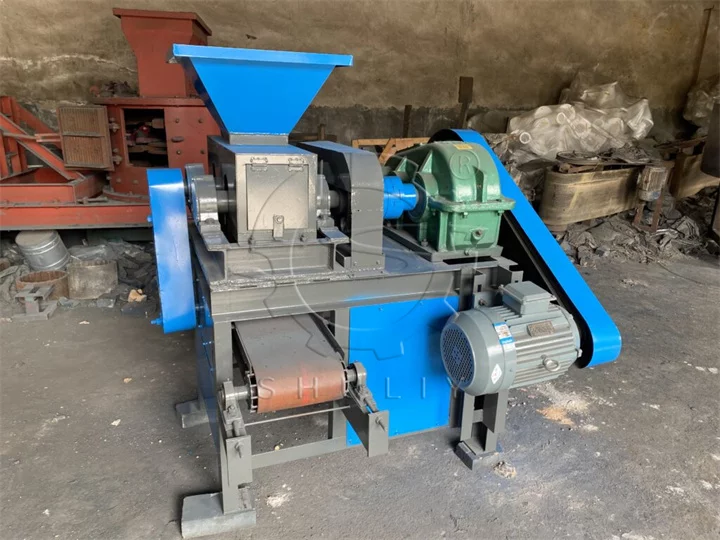
- Roller press briquette machine: Two counter-rotating rollers with matching molds compress the material into pillow, oval, round, or egg-shaped briquettes. Ideal for large-capacity, continuous production.
- Hydraulic briquette press: Uses hydraulic cylinders to apply adjustable pressure, suitable for materials that require higher density or more precise pressure control.
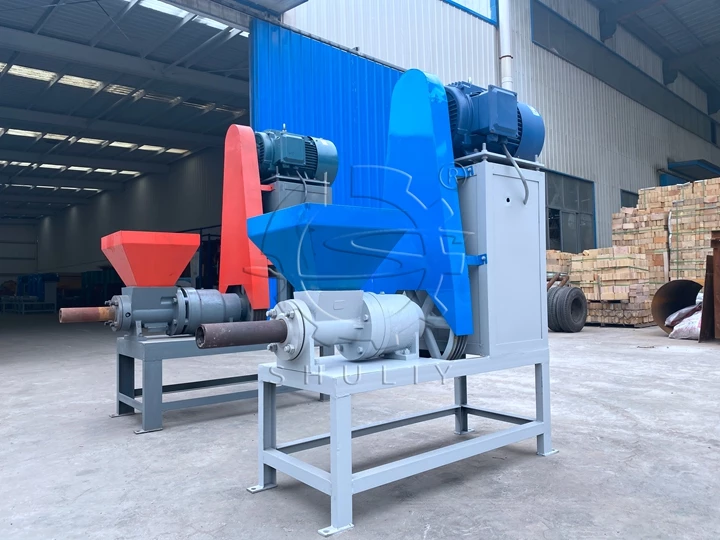
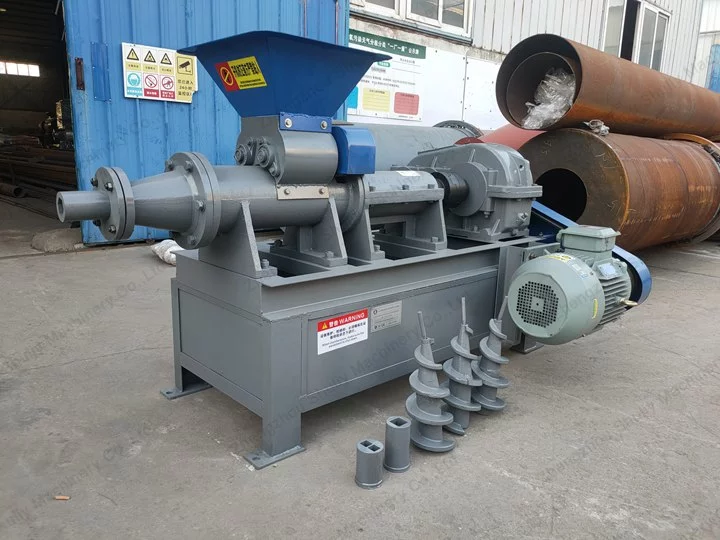
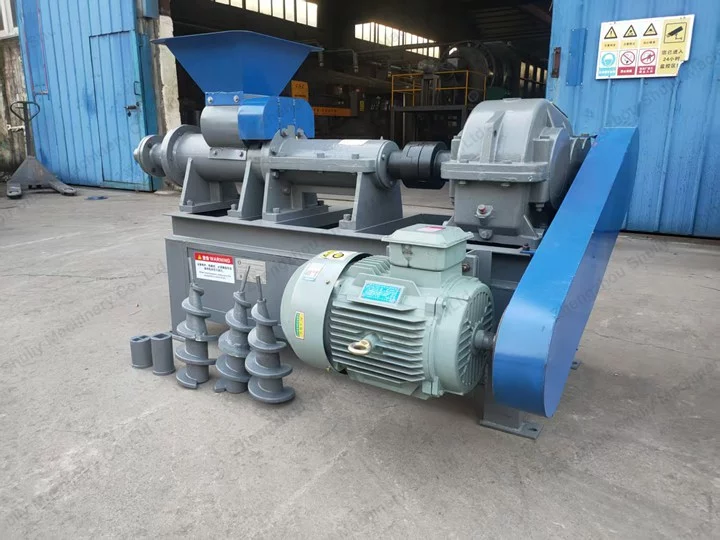
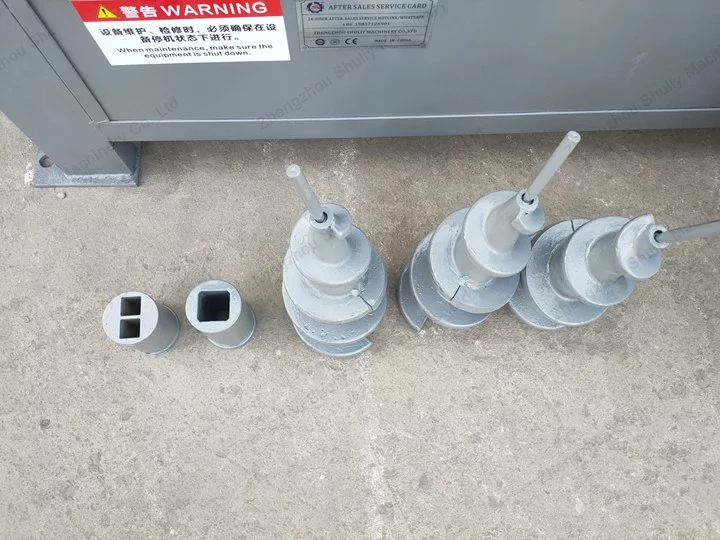
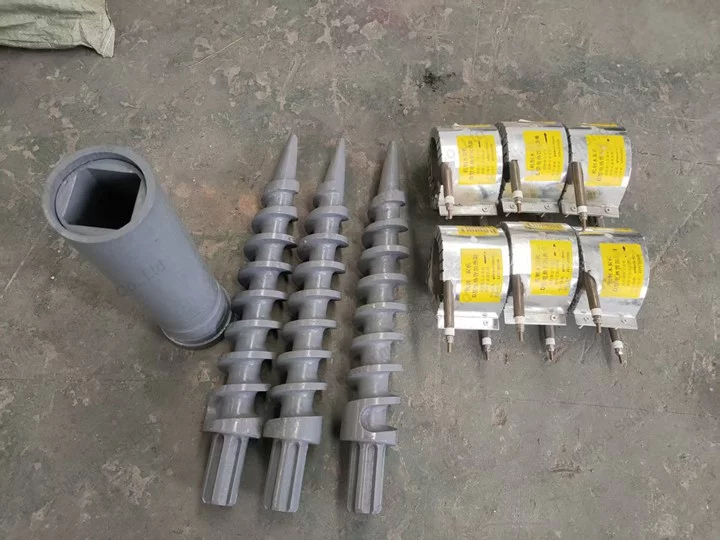
- Screw extruder: Extrudes coal dust into cylindrical sticks, often used for charcoal and BBQ fuel applications.
A quality coal dust briquette machine produces briquettes with smooth surfaces, uniform shape, high density, and resistance to breakage — ensuring they can be handled, transported, and burned efficiently.
Briquette Shape and Size Affect Market Value
Different markets prefer different briquette shapes and sizes. Industrial boilers and power plants may prefer large pillow or oval briquettes for high energy output. Domestic heating and BBQ fuel markets may need smaller round or egg-shaped briquettes. Metallurgical applications may require specific shapes for furnace feeding.
A versatile coal dust briquette machine with interchangeable roller molds allows manufacturers to produce multiple shapes and sizes from the same machine, simply by swapping the mold inserts. This flexibility lets a single production line serve multiple markets and maximize revenue.
Ready to Turn Coal Dust into Profit?
Fine coal dust is not a disposal problem — it is an untapped revenue stream. Whether you are building a new coal briquette production line from scratch or upgrading your existing briquetting stage, we provide complete solutions tailored to your material, capacity, and market.
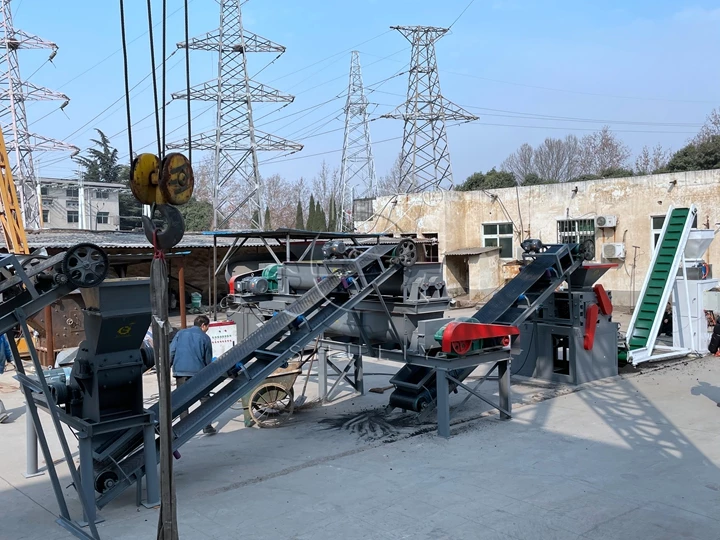
Our coal briquette production line includes crushing, drying, mixing, briquetting, post-drying, and packaging — all engineered to work together for maximum briquette density, strength, and combustion value.
Contact us today for a free consultation and quotation. Send us the following details, and we will respond within 24 hours with a customized equipment recommendation and price:
- Your coal dust type and source (anthracite, bituminous, lignite, coke breeze, etc.)
- Your target output (e.g., 1 t/h, 5 t/h, 10 t/h, 30 t/h)
- Your desired briquette shape and size (pillow, oval, round, custom)
- Your available workshop space and location
- Any special requirements (CE certification, voltage, binder type, automation level, etc.)
Contact us today, and our engineers will help you build a coal briquette production line that turns waste dust into high-value fuel.