
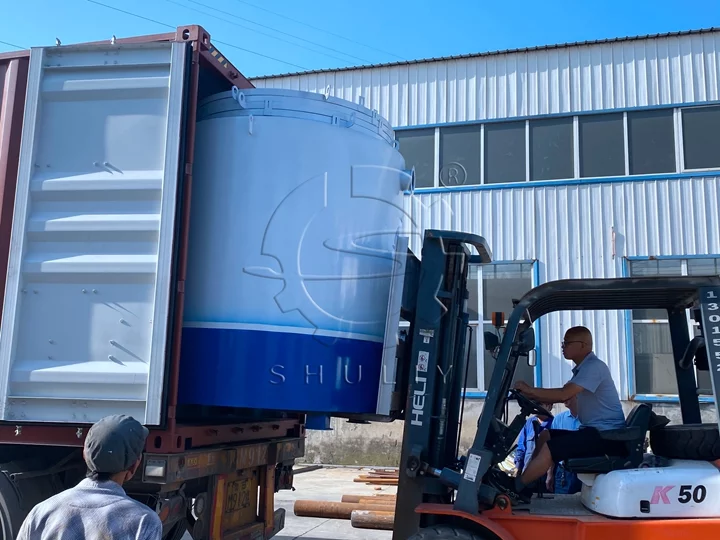
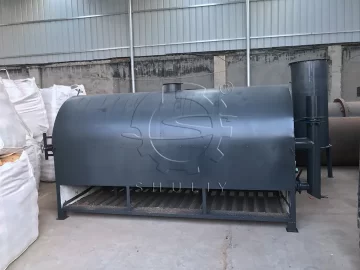
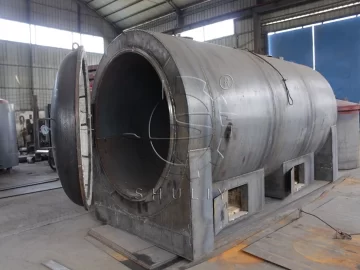
Các tính năng trong nháy mắt
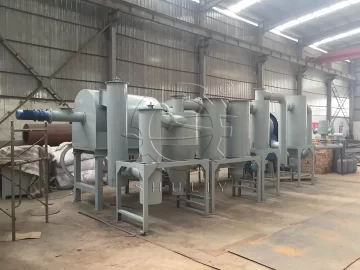
Lò nung than của Shuliy là thiết bị chuyên nghiệp để sản xuất than, được thiết kế để chuyển đổi các nguyên liệu sinh khối như gỗ, vỏ rơm, vỏ dừa, tre, mùn cưa, và chất thải nông nghiệp thành than chất lượng cao qua quá trình pyrolysis và nung kiểm soát. Lò nung than của chúng tôi có hệ thống lọc khí thải và hệ thống khử bụi đặc biệt giúp lọc dầu gỗ và ngăn nghẹt ống, đảm bảo hoạt động trơn tru và tuân thủ môi trường. Với hơn 10 năm kinh nghiệm sản xuất và xuất khẩu sang hơn 50 quốc gia, chúng tôi đã giúp hơn 2.000 khách hàng thành công trong việc xây dựng doanh nghiệp sản xuất than của họ.
| Loại lò nung | Công suất sản xuất | Thời gian nung | Phù hợp nhất cho |
| Lò nung ngang | 500-2000 kg/lần | 8-12 giờ | Các doanh nghiệp nhỏ đến vừa |
| Lò nung nâng hạ | 1000-3000 kg/lần | 10-16 giờ | Các hoạt động quy mô trung bình đến lớn |
| Lò nung liên tục | 200-500 kg/giờ | Liên tục 24/7 | Sản xuất quy mô lớn công nghiệp |
Là nhà sản xuất lò nung than hàng đầu với hơn 10 năm kinh nghiệm, chúng tôi cung cấp ba loại lò nung chính: lò nung than ngang, máy nung than nâng hạ, và lò nung liên tục. Mỗi loại được thiết kế cho các năng lực sản xuất và nhu cầu vận hành cụ thể, từ sản xuất nhỏ lẻ đến quy mô công nghiệp lớn. Đội ngũ kỹ thuật của chúng tôi, do Kỹ sư trưởng Li Wei với 15 năm kinh nghiệm trong thiết bị năng lượng sinh học, đảm bảo mọi lò đều đạt tiêu chuẩn chất lượng nghiêm ngặt trước khi giao hàng.
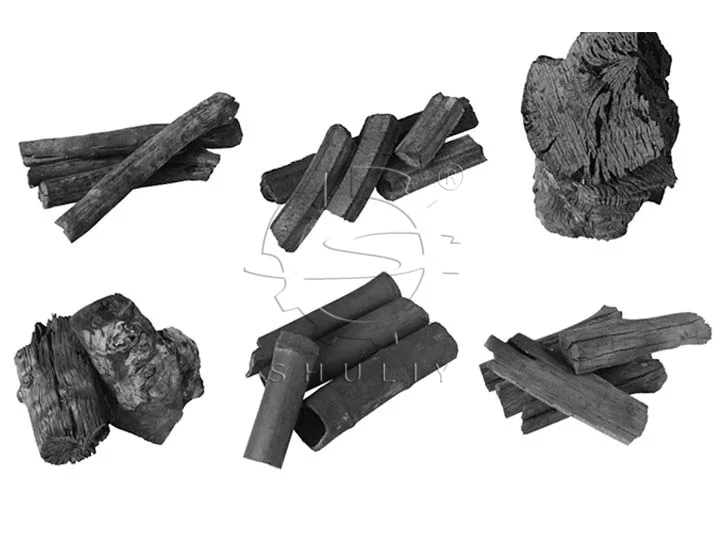
Lò nung than là gì?
Lò nung than, còn gọi là lò nung than gỗ hoặc lò nung than carbon, là thiết bị công nghiệp chuyển đổi nguyên liệu sinh khối thành than qua quá trình nung. Quá trình này bao gồm nung nguyên liệu trong điều kiện thiếu oxy hoặc không khí, trong đó hơi ẩm và các chất dễ bay hơi được giải phóng, để lại than giàu carbon với hàm lượng carbon cố định cao. Các lò của chúng tôi được sản xuất tại nhà máy rộng 20.000 m² ở Trịnh Châu, Trung Quốc, đạt chứng nhận chất lượng ISO 9001.
Quá trình nung than thường diễn ra ở nhiệt độ từ 400°C đến 800°C, tùy thuộc vào chất lượng than mong muốn và loại nguyên liệu. Lò nung biomass của chúng tôi được trang bị bộ điều khiển nhiệt độ chính xác và lớp cách nhiệt để đảm bảo thời gian nung tối ưu và chất lượng than đồng nhất trong suốt quá trình. Khách hàng ông Garcia từ Mexico đã báo cáo đạt tỷ lệ thu than 28-30% một cách nhất quán với lò nung ngang của chúng tôi kể từ năm 2022.
Các loại lò nung than chúng tôi cung cấp
Chúng tôi cung cấp ba loại lò nung than chính, mỗi loại được thiết kế cho các yêu cầu sản xuất cụ thể. Dù bạn cần một lò nung than gỗ cho quy mô nhỏ hoặc một máy nung than liên tục công nghiệp cho sản xuất số lượng lớn, chúng tôi có giải pháp phù hợp cho bạn. Nhóm kỹ thuật bán hàng của chúng tôi, với trung bình hơn 8 năm kinh nghiệm, sẽ giúp bạn chọn loại lò phù hợp dựa trên khả năng cung cấp nguyên liệu, quy mô sản xuất mong muốn và ngân sách của bạn.
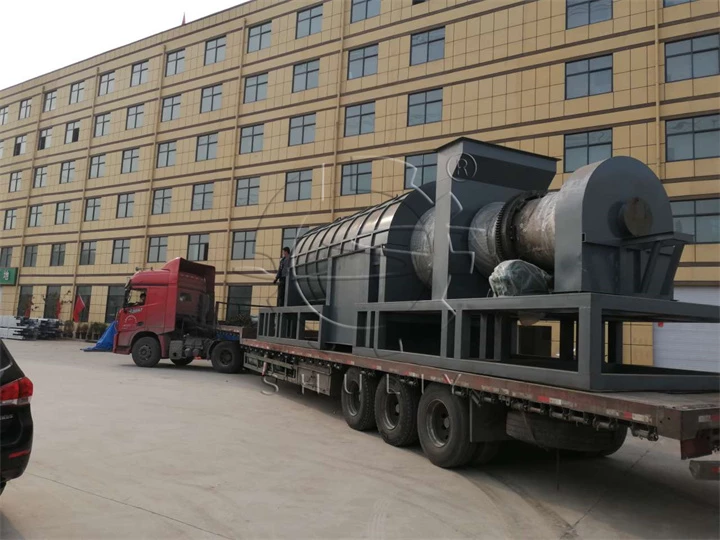
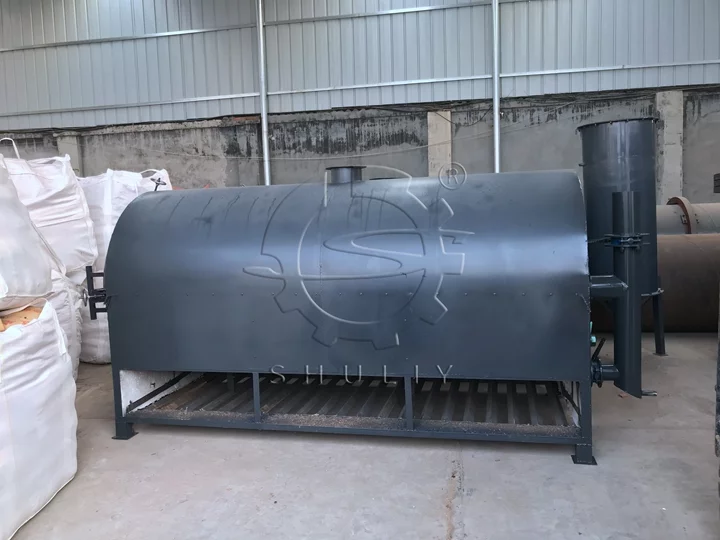
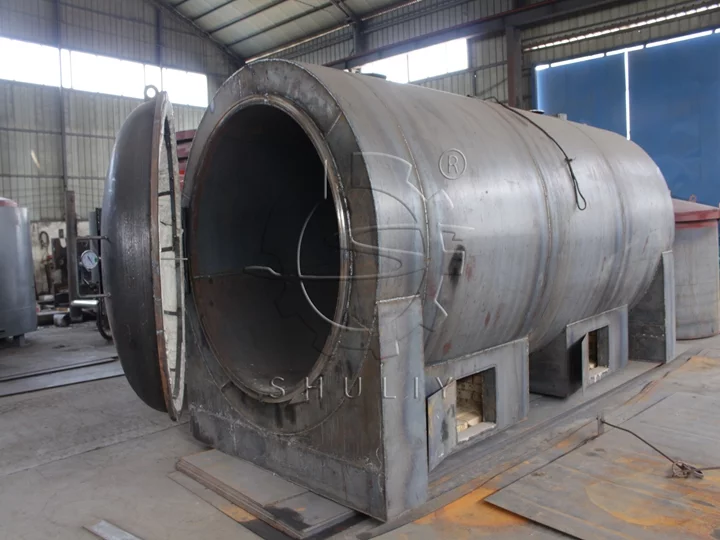
Máy cacbon hóa ngang
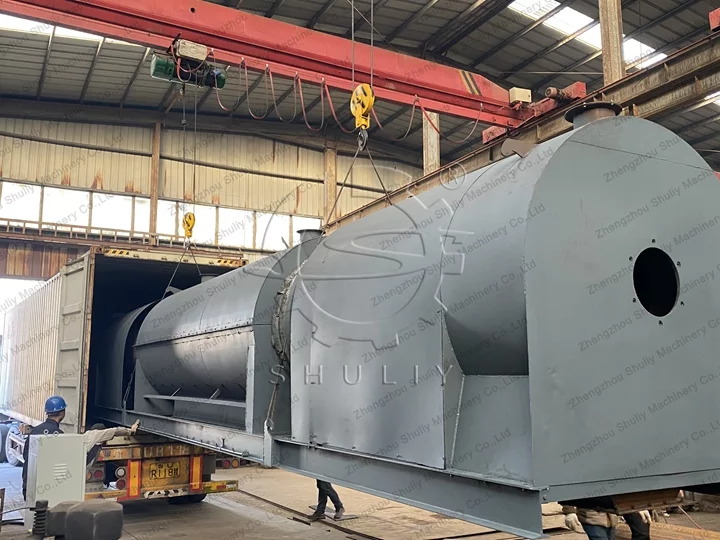
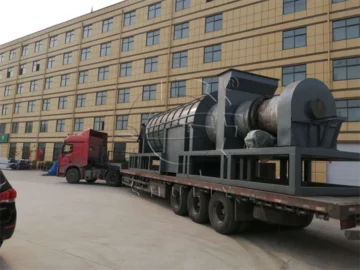
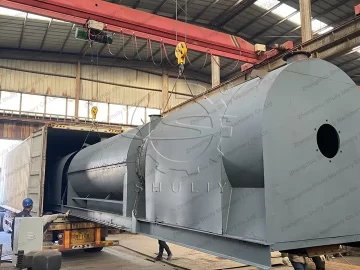
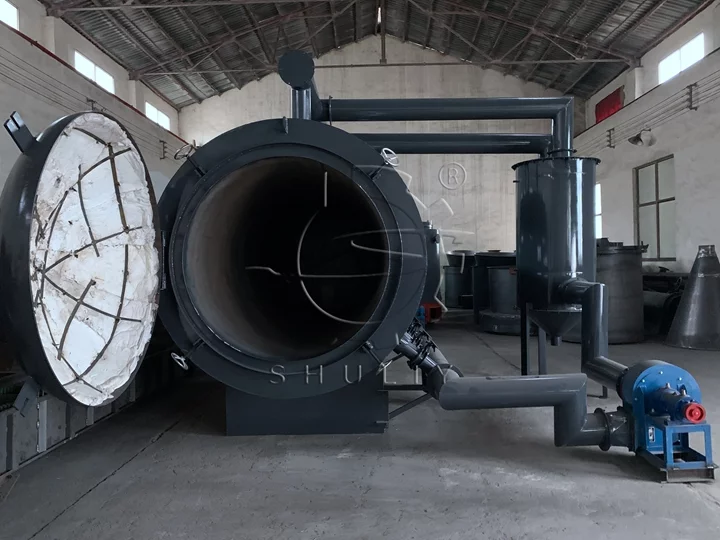
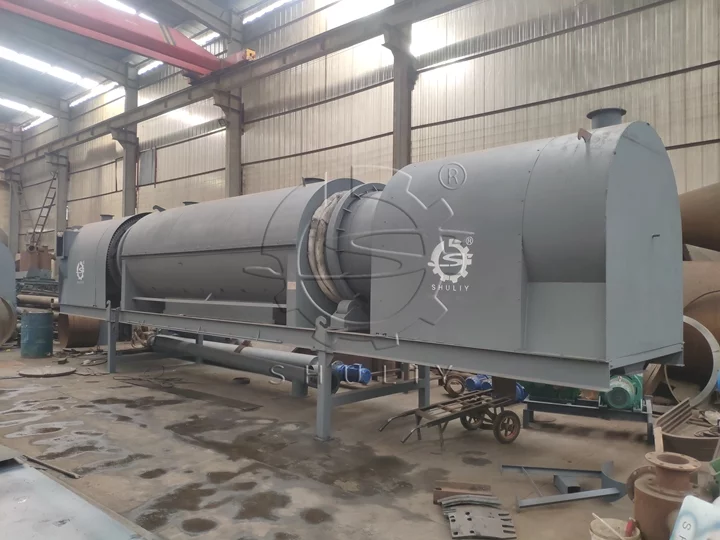
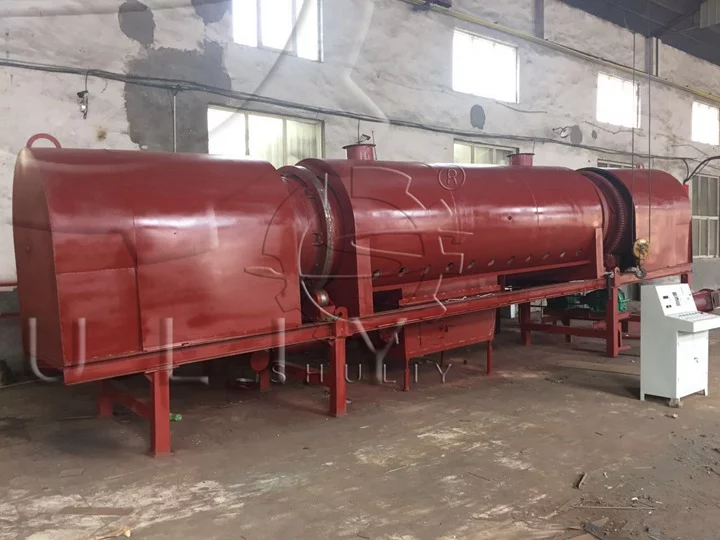
Lò nung than ngang của chúng tôi có thiết kế thân lò theo chiều ngang, cho phép tải và xả nguyên liệu hiệu quả. Loại lò này hoạt động bằng cách nung nguyên liệu trong môi trường thiếu oxy có kiểm soát trong buồng nung, biến đổi hoàn toàn nguyên liệu thành than chất lượng cao. Tính đến tháng 3 năm 2026, chúng tôi đã cung cấp hơn 450 lò nung ngang cho khách hàng ở châu Phi, Đông Nam Á, và Nam Mỹ.
Các ưu điểm chính của máy nung than ngang bao gồm vận hành đơn giản, bảo trì dễ dàng, và phân bố nhiệt đều. Hệ thống làm mát đảm bảo làm mát nhanh sau khi nung, rút ngắn chu trình sản xuất. Lò ngang này lý tưởng cho các doanh nghiệp sản xuất than nhỏ đến vừa, đánh giá cao tính linh hoạt và dễ sử dụng. Bà Njoroge từ Kenya bắt đầu với một lò nung ngang vào năm 2023 và mở rộng lên ba thiết bị trong vòng 18 tháng, hiện đang sản xuất 4 tấn than mỗi ngày.
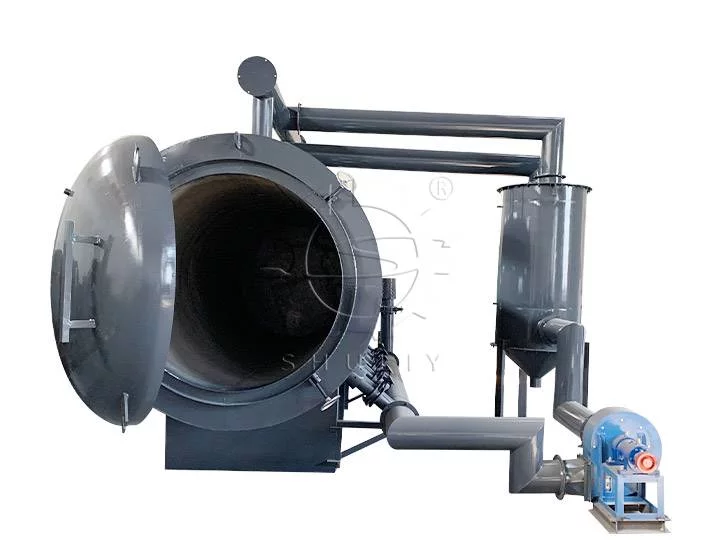
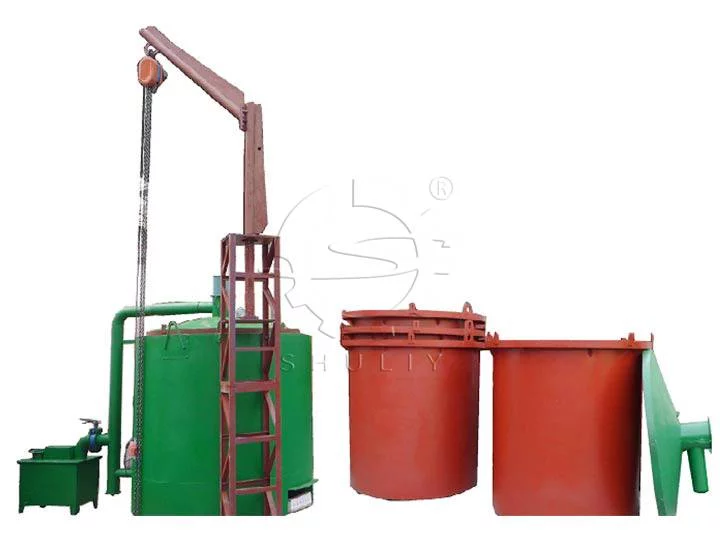
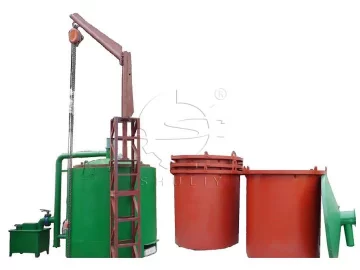
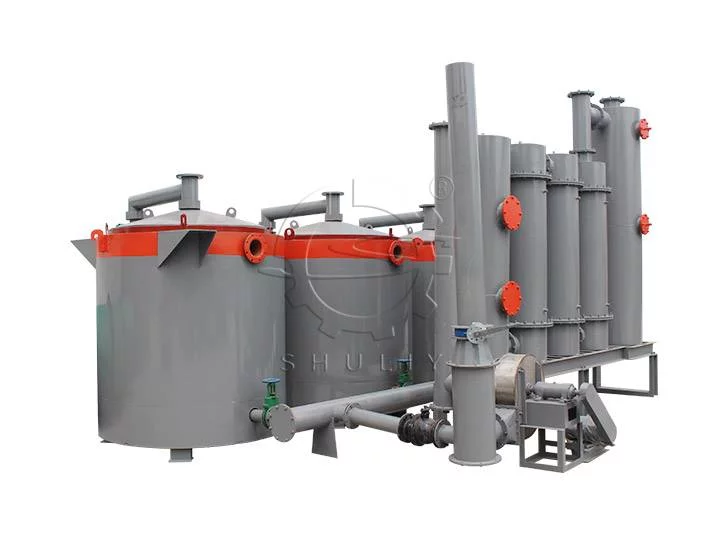
Lò đốt cacbon loại nâng
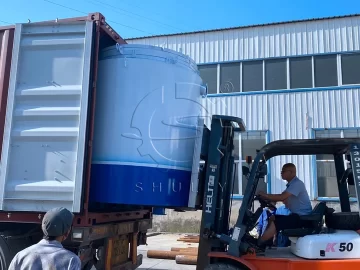
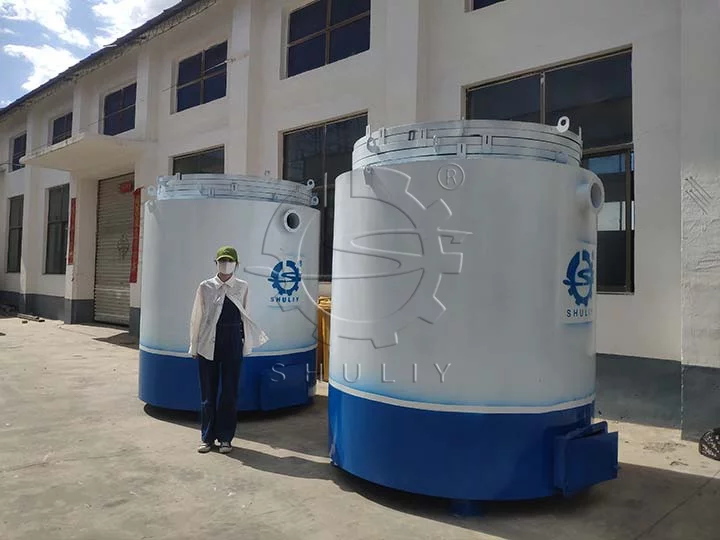
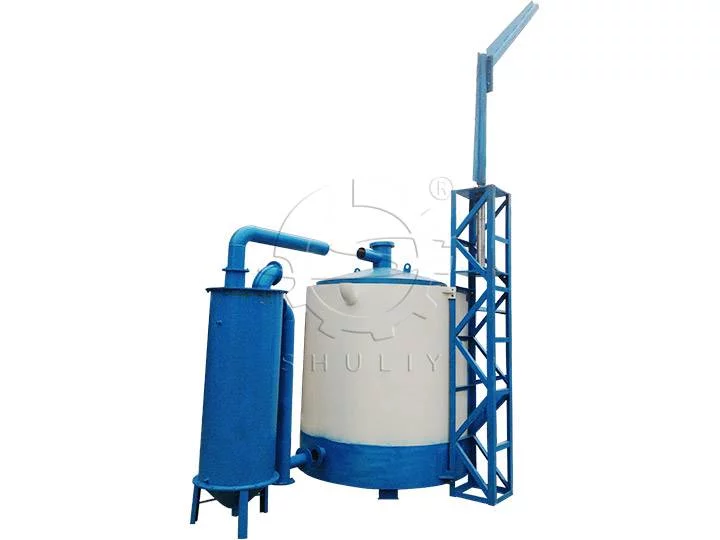
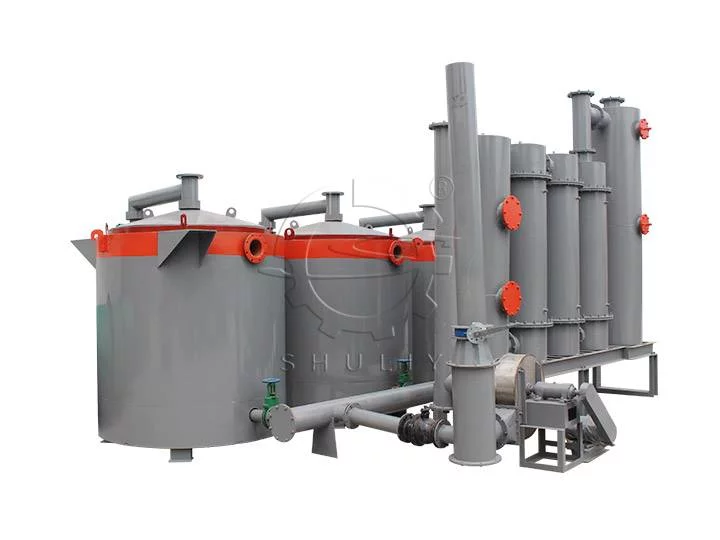
Lò nung nâng hạ sử dụng thiết kế dọc, trong đó nguyên liệu được đưa vào từ trên xuống và dần dần xuống dưới trong quá trình nung. Máy nung than nâng hạ này có các ưu điểm như phân bổ nhiệt tốt hơn, năng suất cao hơn, và tối ưu hóa không gian. Các lò nung nâng hạ của chúng tôi rất phổ biến ở các quốc gia như Brazil và Indonesia, nơi sản xuất than vỏ dừa quy mô lớn.
Cấu trúc dọc cho phép tuần hoàn nhiệt tự nhiên, đảm bảo nung đều trong toàn bộ vật liệu. Loại lò nung biomass này thường được sử dụng cho các hoạt động sản xuất than quy mô trung bình đến lớn, nơi tối đa hóa năng suất trong khi vẫn duy trì chất lượng là điều quan trọng. Cơ chế nâng hạ giúp đơn giản hóa việc xử lý nguyên liệu và giảm yêu cầu nhân công. PT. AgroCharcoal ở Indonesia đã vận hành 5 lò nung nâng hạ từ năm 2021, sản xuất 15 tấn than vỏ dừa mỗi ngày để xuất khẩu sang Nhật Bản và Hàn Quốc.
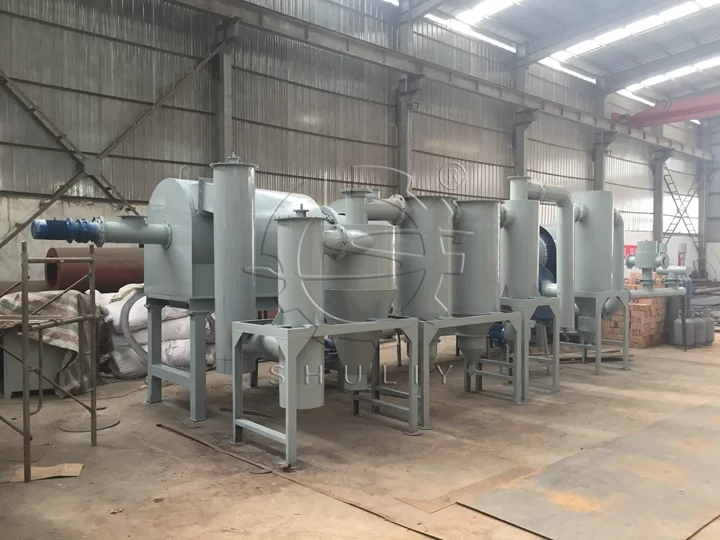
Lò cacbon hóa liên tục
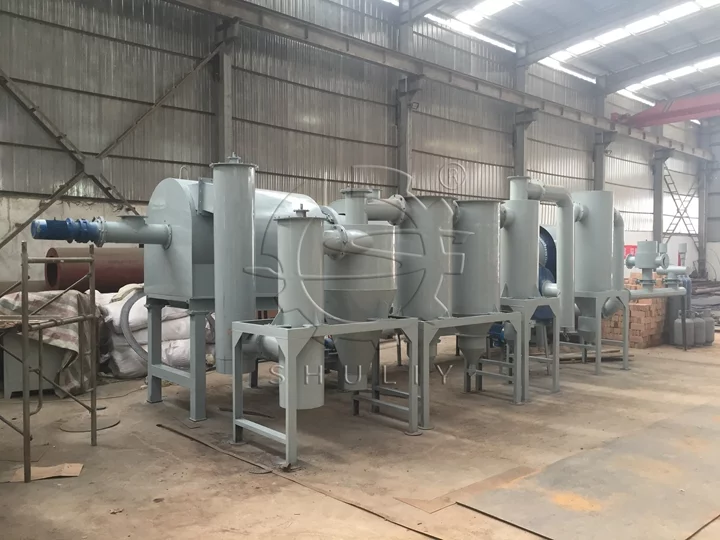
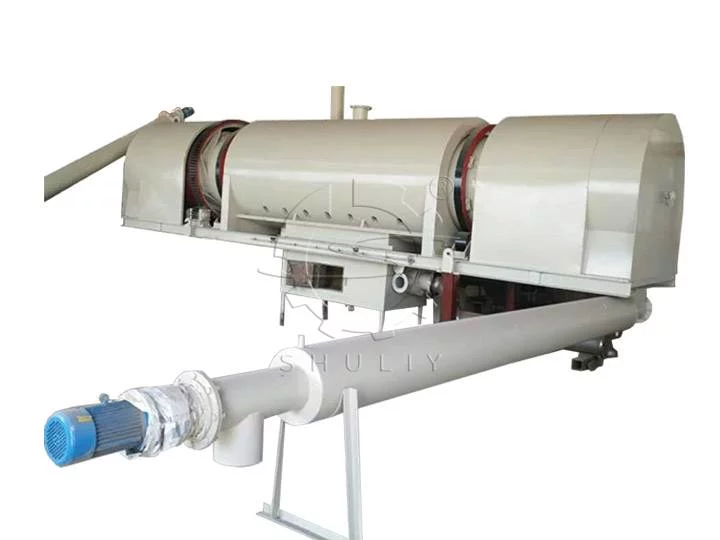
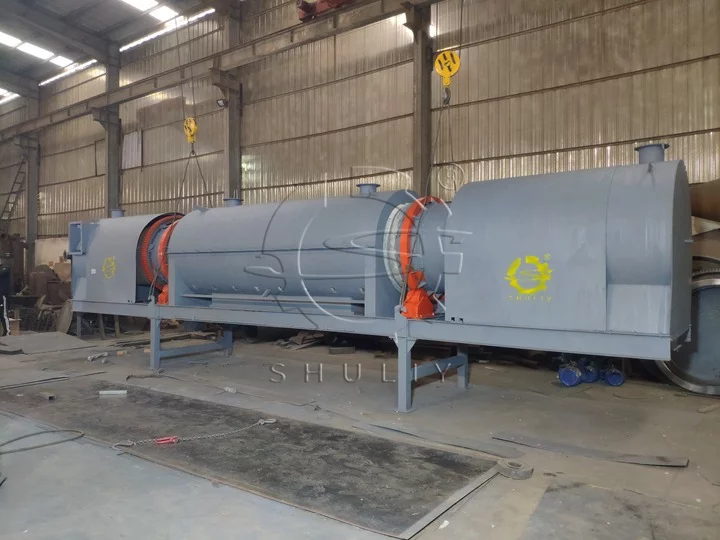
Lò nung liên tục được thiết kế cho quá trình nung than không gián đoạn và tự động. Máy nung than liên tục công nghiệp này gồm hệ thống băng chuyền liên tục cung cấp nguyên liệu hữu cơ vào lò, cho phép sản xuất than liên tục và hiệu quả 24/7 nếu cần. Các lò nung liên tục của chúng tôi có hệ thống thu hồi nhiệt thải tiên tiến nhất, giảm tiêu thụ năng lượng lên tới 40% so với lò nung dạng batch.
Các đặc điểm chính bao gồm hệ thống thu hồi nhiệt thải tích hợp giúp giảm đáng kể tiêu thụ năng lượng, hệ thống xử lý khí thải tiên tiến để làm sạch khói, và bộ điều khiển nhiệt độ chính xác để đảm bảo chất lượng ổn định. Loại lò nung này lý tưởng cho sản xuất than quy mô lớn và các ứng dụng công nghiệp yêu cầu hiệu quả tối đa và chi phí lao động tối thiểu. Công ty GreenEnergy ở Việt Nam đã vận hành hai dây chuyền liên tục từ năm 2020, xử lý 50 tấn vỏ rơm mỗi ngày với tỷ lệ than 35%.
Lò nung than hoạt động như thế nào?
Nguyên lý hoạt động của lò nung than liên quan đến việc kiểm soát nhiệt độ và môi trường trong buồng nung kín để phân hủy nguyên liệu qua quá trình pyrolysis ở nhiệt độ cao. Trong môi trường thiếu oxy hoặc ít oxy, hơi ẩm và các chất dễ bay hơi trong nguyên liệu được giải phóng qua ống xả. Các chất còn lại chuyển thành than có hàm lượng carbon cố định cao. Quá trình này còn gọi là charring hoặc retorting. Đội R&D của chúng tôi đã hoàn thiện quá trình này trong hơn 10 năm, đạt chất lượng than ổn định ở tất cả các loại lò.
Quá trình nung than thường diễn ra qua nhiều giai đoạn: giai đoạn sấy khô (loại bỏ độ ẩm), giai đoạn tiền nung (giải phóng các chất dễ bay hơi), giai đoạn nung chính (charring chính), và giai đoạn làm mát. Lò nung của chúng tôi được trang bị lớp cách nhiệt để duy trì nhiệt độ nung tối ưu và giảm thiểu mất nhiệt, trong khi bộ điều khiển nhiệt độ đảm bảo quản lý nhiệt chính xác trong suốt quá trình. Tất cả các lò của chúng tôi đi kèm hướng dẫn vận hành chi tiết, và kỹ thuật viên của chúng tôi cung cấp đào tạo tại chỗ cho người vận hành của bạn.
Thông số kỹ thuật
| tham số | Lò nung ngang | Lò nung nâng hạ | Lò nung liên tục |
| Công suất sản xuất | 500-2000 kg/lần | 1000-3000 kg/lần | 200-500 kg/giờ |
| Thời gian nung | 8-12 giờ | 10-16 giờ | Liên tục |
| Nhiệt độ nung than | 400-600°C | 450-650°C | 500-700°C |
| Yêu cầu về điện năng | 15-30 kW | 20-40 kW | 40-80 kW |
| Tỷ lệ thu than | 25-30% | 28-32% | 30-35% |
| Yêu cầu độ ẩm | <15% | <15% | <20% |
Nguyên liệu cho lò nung than
Lò nung than của chúng tôi có thể xử lý nhiều loại nguyên liệu sinh khối, phù hợp cho nhiều ứng dụng khác nhau. Yếu tố quan trọng là đảm bảo độ ẩm phù hợp (tối ưu 10-15%) và kích thước hạt phù hợp. Dưới đây là các nguyên liệu phổ biến nhất mà chúng tôi đã thử nghiệm trong các cơ sở của mình với kết quả đã được chứng minh:
- Nguyên liệu gỗ: Gỗ cứng, gỗ mềm, mảnh gỗ, vỏ gỗ, mùn cưa, và khối gỗ. Than gỗ được đánh giá cao về hàm lượng carbon cao và thời gian cháy lâu. Gỗ sồi và gỗ teak thường cho tỷ lệ than 28-32% với 75-80% carbon cố định.
- Chất thải nông nghiệp: Vỏ dừa, vỏ rơm, vỏ đậu phộng, vỏ hạt điều, bắp ngô, bã mía, và rơm rạ. Than vỏ dừa đặc biệt có giá trị trong các ứng dụng BBQ và shisha do mật độ cao và khả năng cháy sạch. Khách hàng của chúng tôi tại Philippines sản xuất than vỏ dừa cao cấp xuất khẩu sang UAE với giá 450 USD/tấn.
- Nguyên liệu tre: Các mảnh tre, mảnh tre, và chất thải tre. Than tre nổi tiếng với cấu trúc xốp và khả năng hấp thụ. Moso tre từ miền nam Trung Quốc sản xuất than chất lượng cao với 70% hàm lượng carbon cố định.
- Các loại sinh khối khác: Vỏ trái cây, vỏ hạt, và các loại chất thải hữu cơ khác. Các nguyên liệu trộn lẫn cũng có thể được sử dụng với sự chuẩn bị phù hợp. Phòng R&D của chúng tôi có thể kiểm tra nguyên liệu cụ thể của bạn và đề xuất các thông số nung phù hợp nhất.
Trước khi xử lý, nguyên liệu cần được chuẩn bị bằng cách sử dụng máy nghiền gỗ hoặc máy băm gỗ của chúng tôi để đạt kích thước hạt đồng nhất, và sấy khô nếu cần để đáp ứng yêu cầu độ ẩm. Chúng tôi có thể cung cấp giải pháp chuẩn bị nguyên liệu hoàn chỉnh phù hợp với tình hình cụ thể của bạn.
Ứng dụng của máy nung than
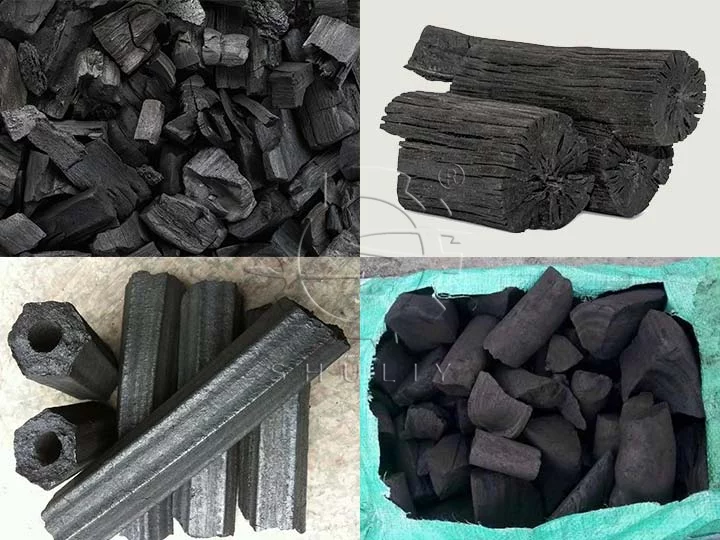
Các lò nung than được sử dụng rộng rãi trong các dây chuyền sản xuất viên than và các nhà máy sản xuất than hoàn chỉnh. Than được sản xuất ra phục vụ nhiều mục đích trong các ngành công nghiệp:
- Nhiên liệu: Than củi được sử dụng rộng rãi như nhiên liệu sạch trong các hộ gia đình, nhà hàng, và các cơ sở công nghiệp để nấu ăn, sưởi ấm, và phát điện. Than cháy sạch hơn gỗ với ít khói hơn. Than củi gia đình là ứng dụng phổ biến nhất của chúng tôi, với 60% khách hàng của chúng tôi sản xuất cho thị trường này.
- Kỹ thuật luyện kim: Than củi đóng vai trò quan trọng trong ngành luyện kim, đặc biệt trong sản xuất sắt và thép, như một chất giảm và nguồn nhiệt. Hàm lượng carbon cố định cao giúp nó lý tưởng cho luyện kim. Chúng tôi đã cung cấp thiết bị sản xuất than luyện kim cho các nhà đúc trong Ấn Độ và Thổ Nhĩ Kỳ.
- Nông nghiệp: Than củi được sử dụng trong nông nghiệp như một chất cải tạo đất (biochar) để cải thiện độ phì nhiêu, giữ ẩm và cung cấp dinh dưỡng cho đất. Nó tăng cường hoạt động vi sinh và lưu trữ carbon. Các khách hàng biochar của chúng tôi tại Úc báo cáo tăng năng suất cây trồng từ 30-40% sau khi sử dụng biochar.
- Than hoạt tính: Một số lò nung than đặc biệt thiết kế để sản xuất than có thể được xử lý thêm thành than hoạt tính, ứng dụng trong xử lý nước, lọc không khí, và các quy trình công nghiệp khác yêu cầu khả năng hấp thụ. Than vỏ dừa đặc biệt được ưa chuộng để sản xuất than hoạt tính chất lượng cao.
- Ngành công nghiệp hóa chất: Than củi là tiền đề để sản xuất các hóa chất như carbon black và nhiều hợp chất hữu cơ khác. Nó cũng được sử dụng trong sản xuất dược phẩm để quá trình tinh chế.
Lợi ích của lò nung than của chúng tôi
- Sản xuất năng lượng tái tạo: Than được sản xuất từ lò nung của chúng tôi giúp giảm sự phụ thuộc vào nhiên liệu hóa thạch không tái tạo, cung cấp nguồn năng lượng bền vững. Hệ thống thu hồi nhiệt thải của chúng tôi còn nâng cao hiệu quả năng lượng bằng cách thu giữ và tái sử dụng nhiệt từ ống xả. Khách hàng báo cáo giảm 25-35% chi phí năng lượng tổng thể khi sử dụng tùy chọn thu hồi nhiệt của chúng tôi.
- Giải pháp quản lý chất thải: Lò nung của chúng tôi góp phần quản lý chất thải hiệu quả bằng cách chuyển đổi chất thải hữu cơ thành sản phẩm có giá trị và có thể sử dụng. Nó biến các chất thải nông nghiệp, gỗ vụn, và các nguyên liệu sinh khối khác thành than thương mại thay vì chôn lấp. Một khách hàng ở Colombia đã chuyển từ trả phí xử lý chất thải 2.000 USD/tháng sang kiếm 8.000 USD/tháng từ việc bán than rơm.
- Thân thiện với môi trường: Quá trình nung trong lò của chúng tôi giảm phát thải khí nhà kính và các chất ô nhiễm có hại thông qua hệ thống xử lý khí thải và làm sạch khói tiên tiến. Sản xuất than thân thiện với môi trường của chúng tôi đảm bảo tuân thủ các quy định về môi trường đồng thời giảm thiểu dấu chân carbon. Tất cả các lò của chúng tôi đều đáp ứng tiêu chuẩn môi trường EU với khí thải PM2.5 dưới 30mg/m³.
- Cơ hội kinh tế: Các lò nung than của chúng tôi tạo ra cơ hội kinh tế bằng cách thúc đẩy sản xuất than cho các ngành công nghiệp và ứng dụng khác nhau, qua đó hỗ trợ kinh tế địa phương và tạo việc làm. Với kế hoạch kinh doanh phù hợp, khách hàng của chúng tôi thường đạt lợi nhuận trong vòng 6-12 tháng. Ông Adebayo từ Nigeria đã thu hồi khoản đầu tư 45.000 USD của mình chỉ trong 8 tháng.
Tại sao chọn lò nung than của Shuliy?
Là nhà sản xuất và cung cấp lò nung than có kinh nghiệm, Shuliy mang đến những lợi thế nổi bật giúp chúng tôi khác biệt trong ngành. Dưới đây là những gì khách hàng của chúng tôi nói về việc hợp tác với chúng tôi:
- Ba loại thiết bị: Chúng tôi cung cấp máy nung carbon ngang, nâng và liên tục, mang lại sự linh hoạt để bạn lựa chọn dựa trên công suất sản xuất và ngân sách của mình. Đội ngũ bán hàng của chúng tôi sẽ phân tích nhu cầu cụ thể của bạn và đề xuất giải pháp tối ưu, không chỉ là giải pháp đắt nhất.
- Xử Lý Khí Thải Tiên Tiến: Hệ thống lọc độc quyền của chúng tôi xử lý hiệu quả nhựa đường gỗ và khói, ngăn ngừa tắc nghẽn ống và đảm bảo tuân thủ môi trường. Thiết kế sáng chế này đã được thử nghiệm thực tế từ năm 2018 và yêu cầu bảo trì ít hơn 50% so với các hệ thống truyền thống.
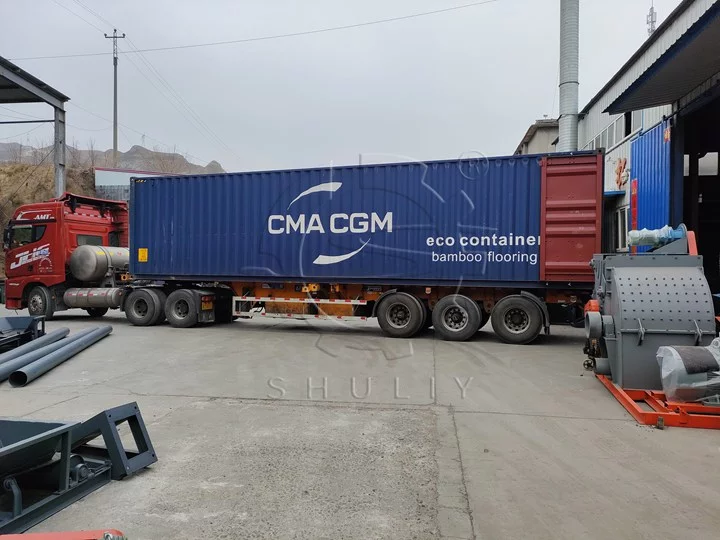
- Kinh Nghiệm Xuất Khẩu Toàn Cầu: Chúng tôi đã xuất khẩu lò nung carbonization của mình đến hơn 50 quốc gia, với thành công đã được chứng minh trong các thị trường và ứng dụng đa dạng. Đội ngũ logistics của chúng tôi xử lý tất cả các giấy tờ xuất khẩu, vận chuyển và thông quan, đảm bảo giao hàng suôn sẻ đến cơ sở của bạn.
- Dịch vụ hậu mãi hoàn chỉnh: Chúng tôi cung cấp hướng dẫn lắp đặt, đào tạo vận hành, hỗ trợ bảo trì và phụ tùng thay thế sẵn có. Dịch vụ hỗ trợ kỹ thuật 24/7 của chúng tôi và bảo hành 1 năm mang lại sự yên tâm cho bạn. Chúng tôi dự trữ phụ tùng trị giá 2 triệu đô la để vận chuyển ngay lập tức trên toàn thế giới.
Các câu hỏi thường gặp
Nguyên liệu nào có thể được nung trong lò này?
Gỗ, mùn cưa, tre, vỏ dừa, vỏ rơm, vỏ hạt điều, và các loại nguyên liệu sinh khối khác.
Sản phẩm cuối cùng là gì?
Than củi, biochar, hoặc vật liệu đã nung dùng làm nhiên liệu, BBQ, shisha, hoặc ứng dụng công nghiệp.
Nhiệt độ nung than là gì?
Thường từ 300–700°C, có thể điều chỉnh dựa trên nguyên liệu và chất lượng than mong muốn.
Nhận Báo Giá Miễn Phí cho Lò Nung Carbonization của Bạn
Bạn đã sẵn sàng đầu tư vào một lò nung than chuyên nghiệp cho doanh nghiệp sản xuất than của bạn chưa? Shuliy Charcoal Machinery là nhà sản xuất và cung cấp lò nung than hàng đầu với nhiều thập kỷ kinh nghiệm. Chúng tôi cung cấp các giải pháp hoàn chỉnh, bao gồm dây chuyền sản xuất than và các thiết bị riêng lẻ như máy nghiền gỗ, máy ép viên than, và tất nhiên, các lò nung than cao cấp của chúng tôi.
Dù bạn cần một lò nung ngang nhỏ để khởi động hoặc một máy nung carbon liên tục công nghiệp cho sản xuất quy mô lớn, chúng tôi có giải pháp phù hợp. Liên hệ với chúng tôi hôm nay để được tư vấn miễn phí và báo giá tùy chỉnh. Đội ngũ chuyên gia của chúng tôi, với hơn 10 năm kinh nghiệm trung bình trong năng lượng sinh khối, sẽ giúp bạn chọn lò nung carbon phù hợp với nhu cầu và ngân sách của bạn. Chúng tôi cũng cung cấp hỗ trợ lập kế hoạch kinh doanh, bao gồm phân tích thị trường, dự báo lợi nhuận và hướng dẫn về nguồn nguyên liệu.
Lò nung than dạng ngang
Lò than ngang Shuliy là lựa chọn lý tưởng cho than củi…
Chuyện gì xảy ra trong quá trình nung carbon?
Cacbon hóa là một quá trình hấp dẫn liên quan đến việc chuyển đổi…
Máy nung carbon liên tục cho vỏ trấu, mùn cưa, tre
Máy nung than liên tục của Shuliy được sử dụng để nung than các vật liệu với…
Ưu điểm và nhược điểm của các thiết kế lò nung carbon khác nhau
Lò nung than đang được dùng để biến đổi gỗ thành than. Những lò này...
Làm thế nào để chọn lò nung carbon biochar?
Quá trình cacbon hóa là quá trình chuyển đổi vật liệu hữu cơ thành cacbon…
Làm thế nào gỗ biến thành than?
Gỗ, một tài nguyên tái tạo, có thể được biến thành than củi thông qua…
Máy nung carbon liên tục và máy sấy trống đã được xuất khẩu thành công sang Brazil
Làm thế nào để sản xuất than hoạt tính hiệu quả hơn và thân thiện với môi trường…
Lựa chọn máy chế biến than vỏ dừa phù hợp cho nhà máy than của bạn
Bạn có dự định thiết lập một loại than từ vỏ dừa…
Sản phẩm hot
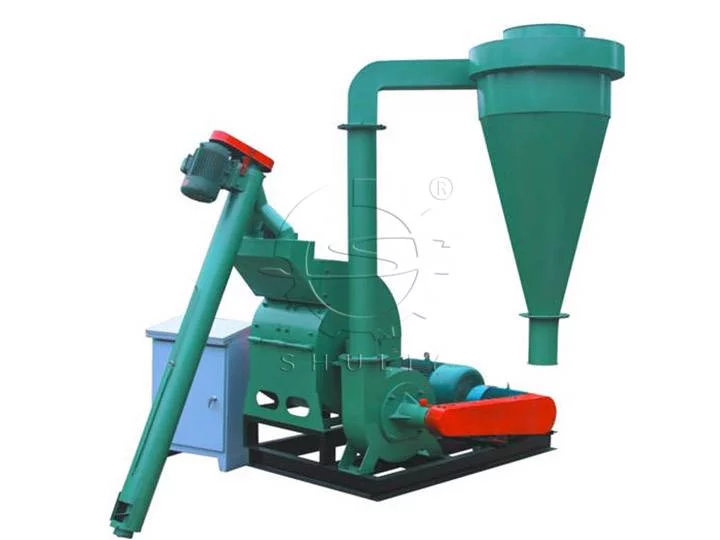
Máy Nghiền Than để Nghiền Than thành Bột
Máy xay than có thể xay được than lớn…
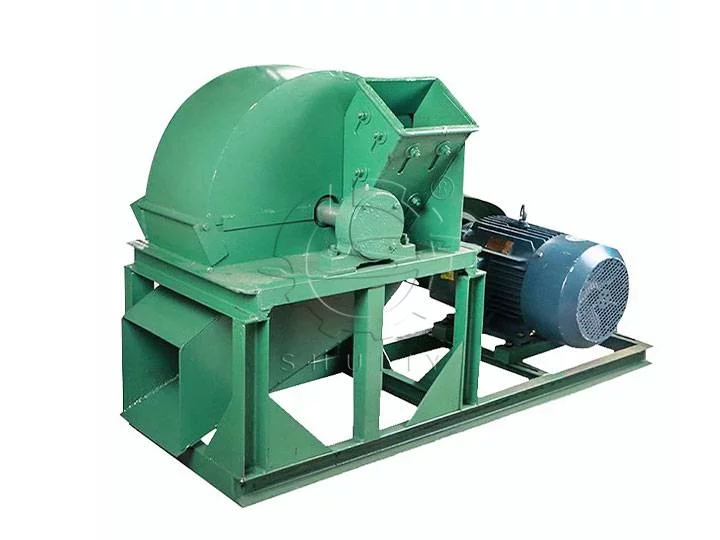
Máy cắt lát gỗ để làm chăn nuôi
Máy bào gỗ là một thiết bị cơ khí được thiết kế…
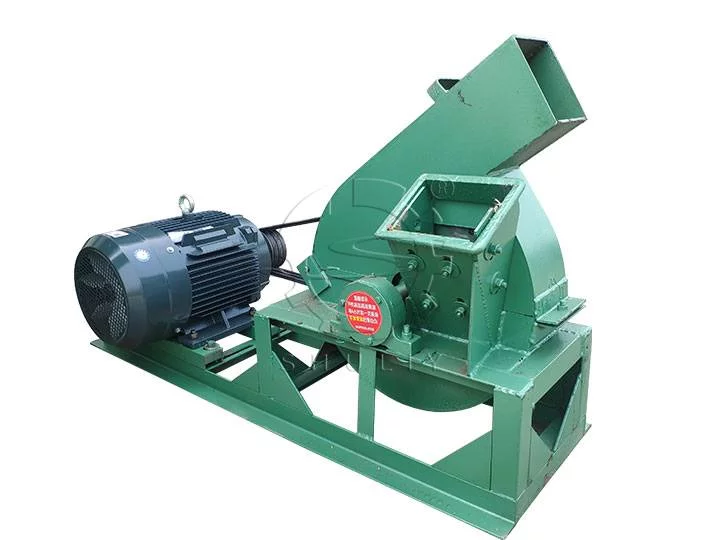
Máy băm gỗ tròn để sản xuất mảnh gỗ
Máy băm gỗ dạng đĩa là loại máy…
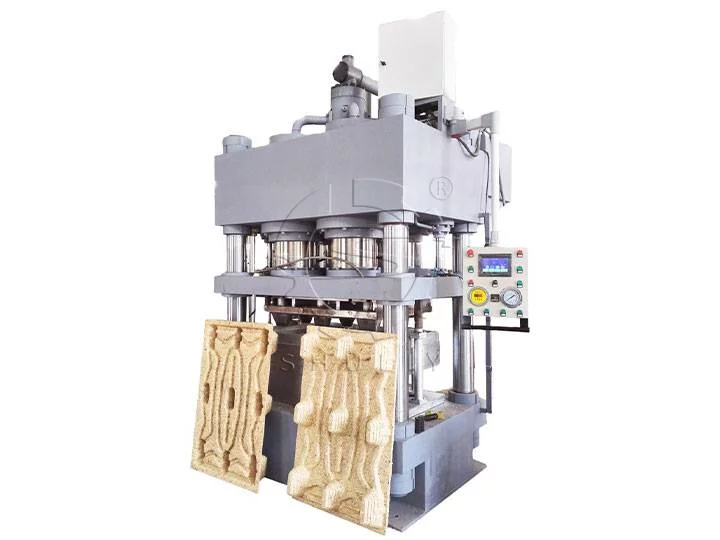
Máy tạo pallet gỗ nén hiệu quả để bán
Máy pallet gỗ nén của Shuliy được trang bị…
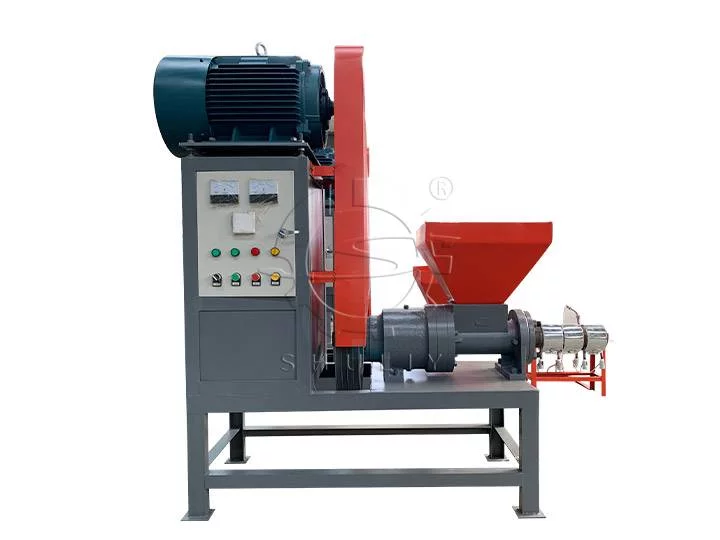
Máy nén mùn cưa thành viên nén Pini Kay
Than bánh được sản xuất bởi máy Shuliy có…
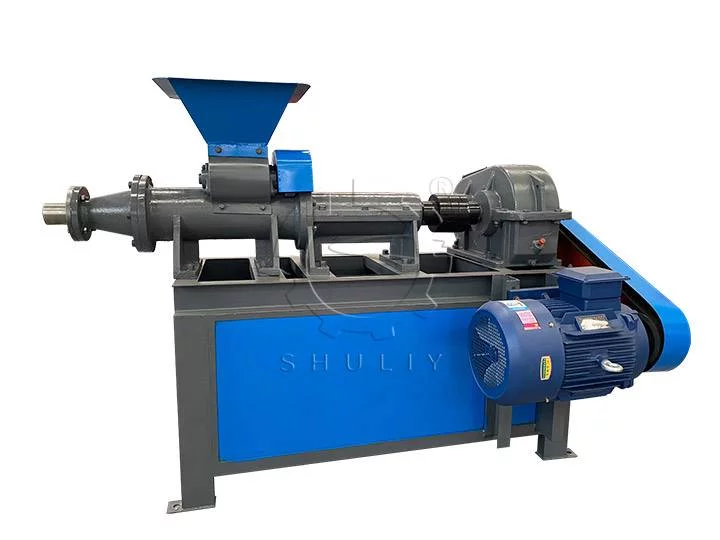
Máy Ép Than Bùn cho Viên Nén Than Sinh Học
Máy ép viên than mảnh là một thiết bị được thiết kế để…
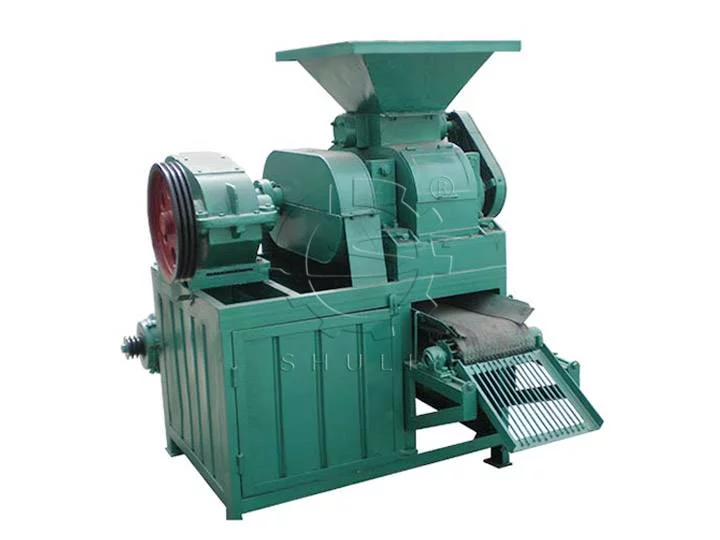
Máy tạo viên than củi BBQ
Bằng cách thay đổi khuôn, máy viên than BBQ của chúng tôi…
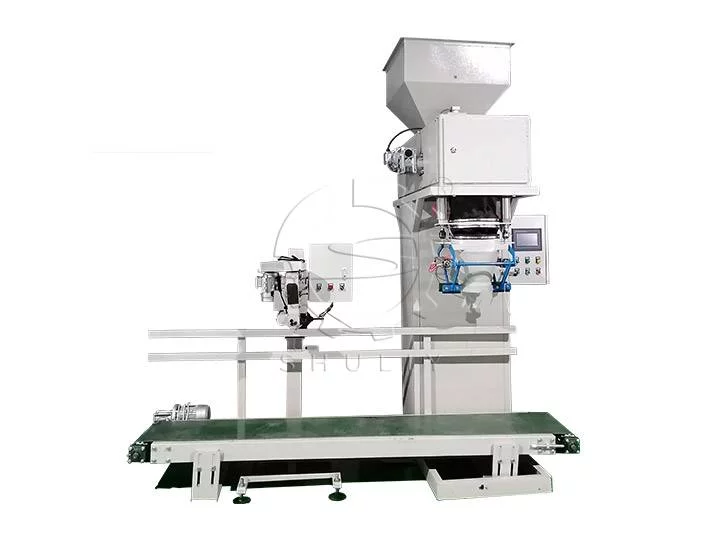
Máy đóng gói than BBQ | Máy đóng gói định lượng
Máy đóng gói than BBQ là thiết bị chuyên dụng được thiết kế…
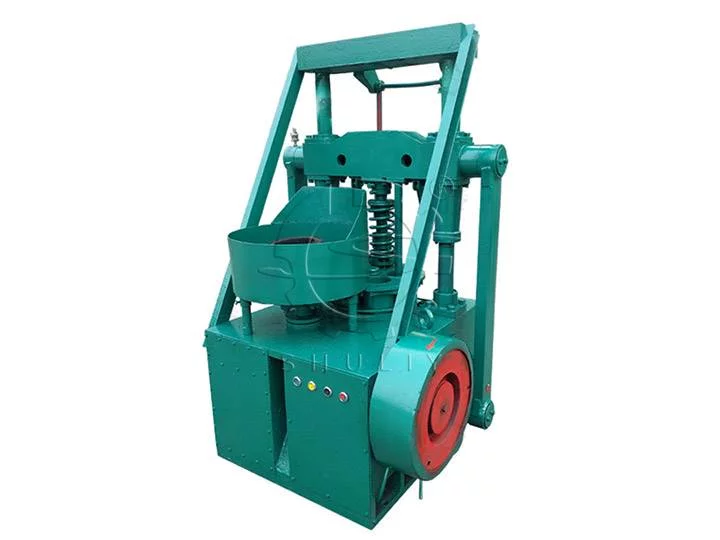
Máy Ép Than Tổ Ong Để Sản Xuất Than Tổ Ong
Máy làm viên than tổ ong, còn được biết đến như một…