
Why EPAL Certification Matters for Pallet Manufacturers?
For pallet manufacturers supplying European customers, producing a pallet that simply looks like a European pallet is not always enough. Buyers often care about standardized dimensions, load performance, traceability, and compliance with recognized pallet standards.
This is where EPAL certification becomes important.
EPAL pallets are widely used in European logistics and supply chains because they follow established specifications for dimensions, materials, construction, and quality. For manufacturers targeting this market, understanding EPAL requirements can help determine what kind of production process and EPAL pallet making machine they need.
What Is EPAL Certification?
EPAL stands for the European Pallet Association, which operates the EPAL Euro pallet system.
EPAL-certified pallets are produced according to defined technical requirements covering factors such as:
- Pallet dimensions
- Wood quality
- Component specifications
- Nail placement
- Markings
- Load-bearing performance
- Production quality
Certification therefore provides buyers with greater confidence that pallets meet recognized requirements rather than being manufactured to an arbitrary specification.
Why Do European Buyers Care About Standardized Pallets?
Pallets are not simply platforms for carrying goods. They are an important part of the logistics system.
Standardized pallets make it easier to:
- Load trucks and containers
- Store goods in warehouses
- Use forklifts and pallet handling equipment
- Exchange pallets within logistics networks
- Plan warehouse space efficiently
For companies operating across multiple countries, standardized pallet dimensions can significantly simplify transportation and storage.
This is one reason why demand for EPAL pallets remains strong among logistics companies, manufacturers, distributors, and retailers.
Certification Can Increase Market Opportunities
For pallet manufacturers, certification can be more than a quality label.
If your target customers specifically require EPAL-certified pallets, having the appropriate certification can make it possible to enter customer groups that may otherwise be inaccessible.
This is particularly relevant for manufacturers supplying:
- European logistics companies
- Export-oriented manufacturers
- Warehousing businesses
- Retail supply chains
- International freight companies
However, manufacturers should remember that purchasing equipment alone does not make a pallet EPAL-certified. Certification involves meeting the relevant requirements and following the applicable licensing and quality-control procedures.
Production Consistency Is Essential
One of the biggest challenges in pallet manufacturing is producing large quantities of pallets with consistent dimensions and construction quality.
Manual production can create variations in:
- Board positioning
- Nail placement
- Pallet dimensions
- Assembly accuracy
- Production speed
When customers require standardized pallets, these differences can become a serious issue.
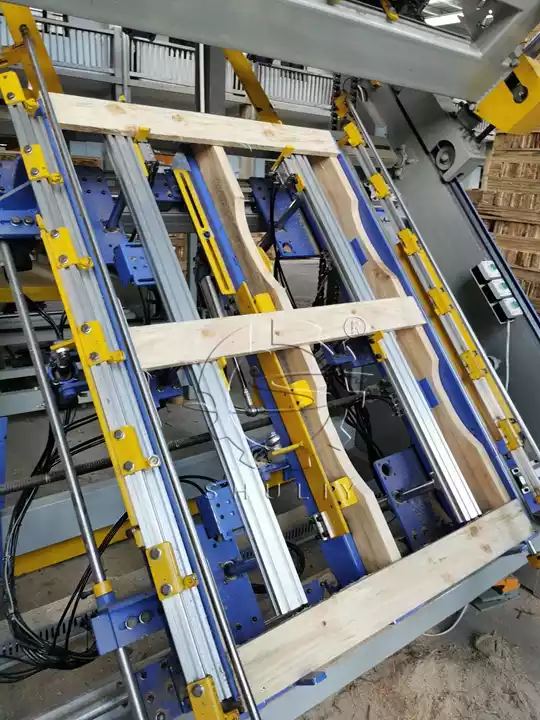
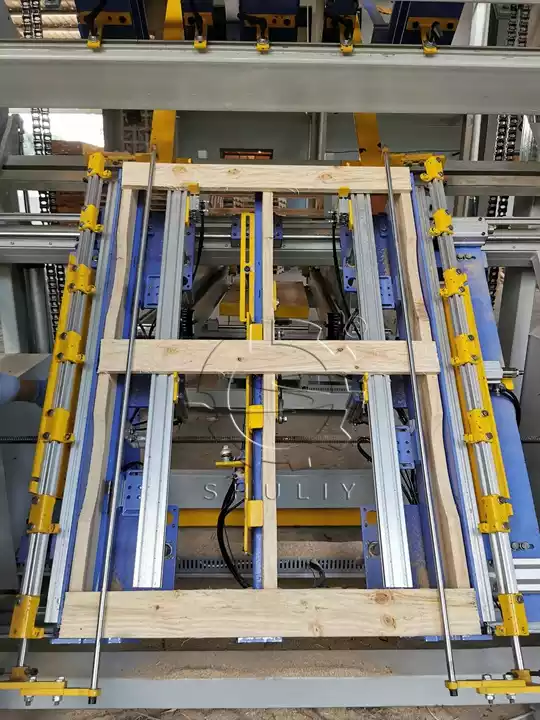
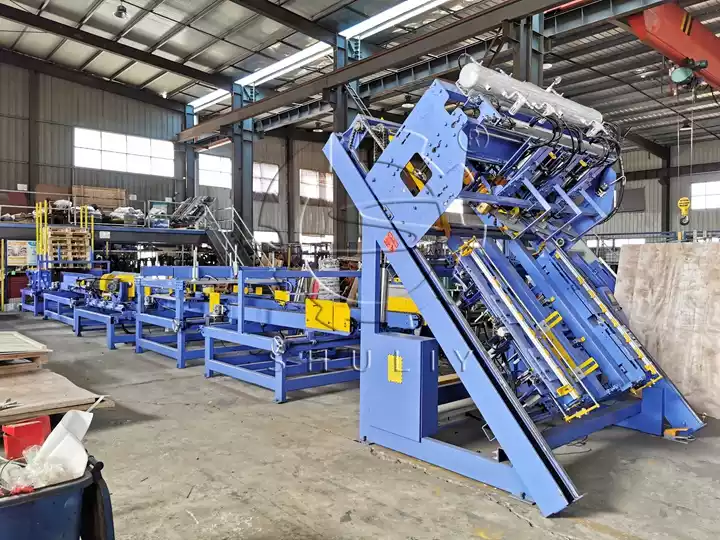
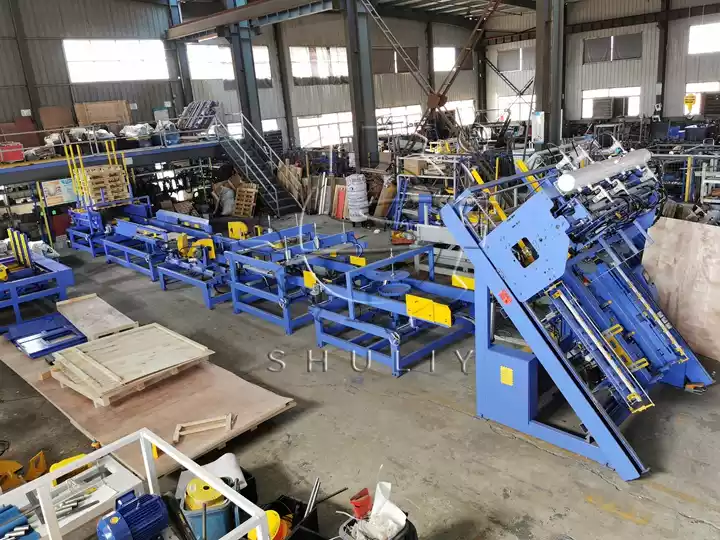
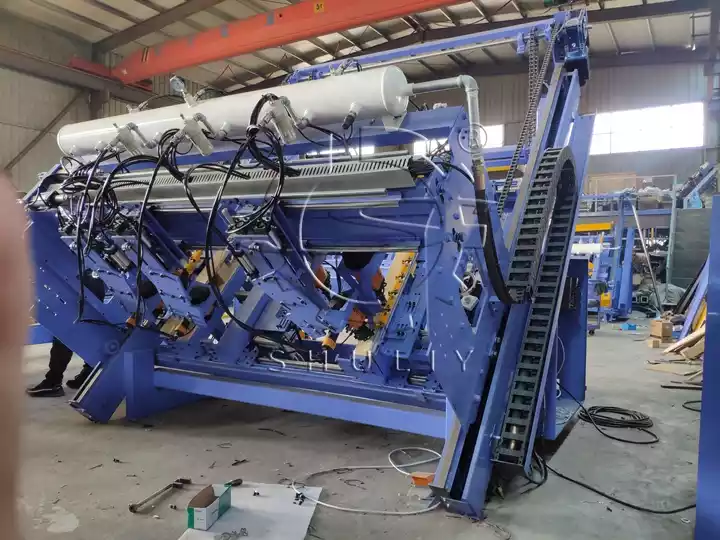
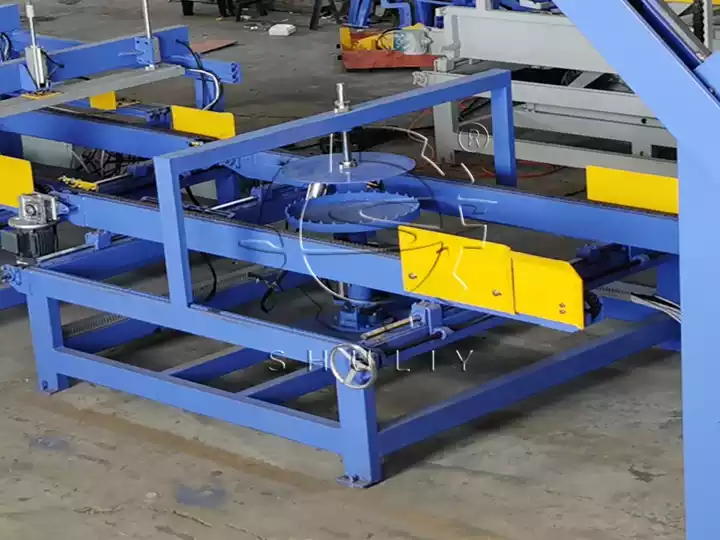
A well-designed EPAL pallet making machine helps manufacturers standardize repetitive production steps and maintain more consistent output.
Why Automation Matters for Pallet Manufacturers
As order volumes increase, relying entirely on manual assembly can make production expensive and difficult to scale.
Automation can help reduce repetitive labor involved in:
- Wood board feeding
- Pallet positioning
- Nailing
- Assembly
- Turning and transferring
- Finished pallet stacking
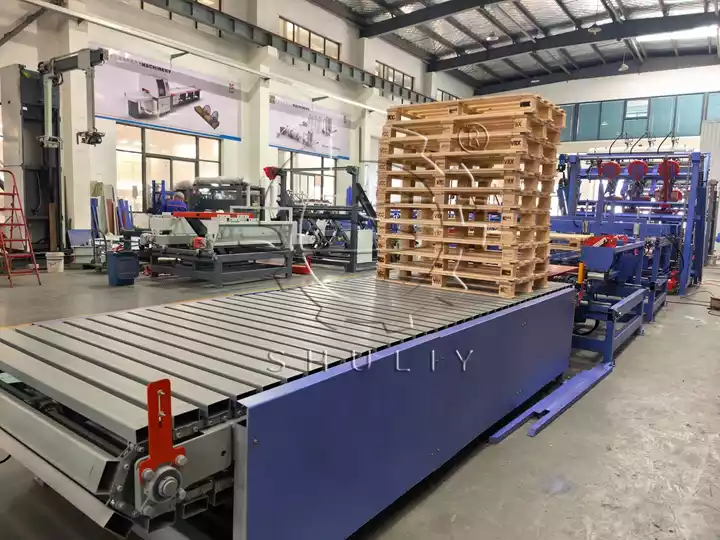
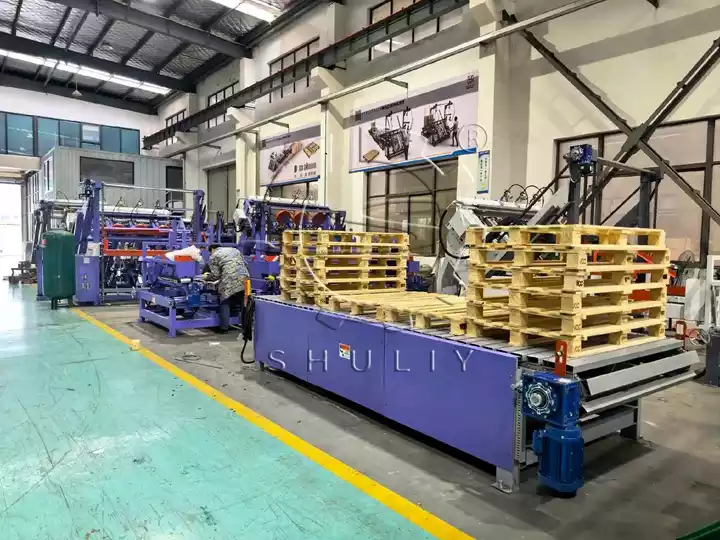
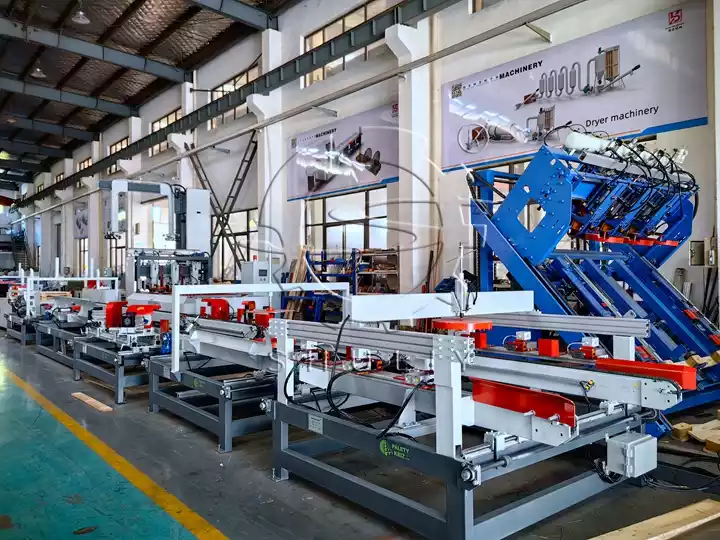
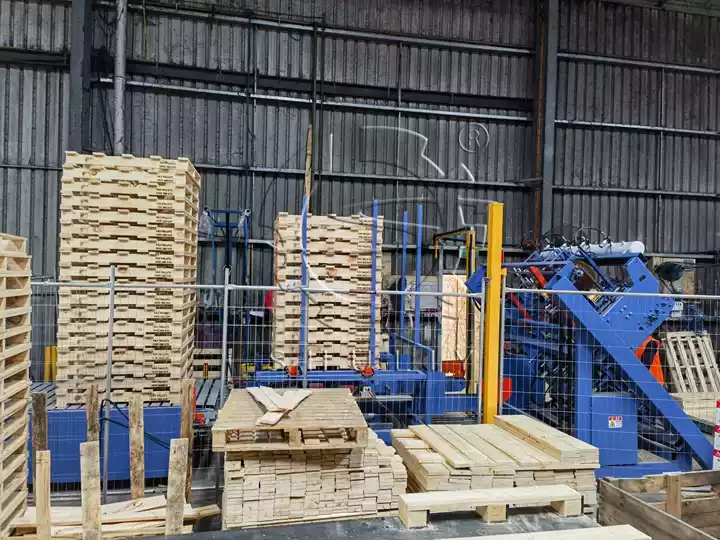
A modern wood pallet production line connects these processes into a more efficient workflow, allowing manufacturers to increase output without simply adding more workers.
Choosing Equipment for European Pallet Production
Manufacturers planning to produce European-style pallets should consider more than production capacity.
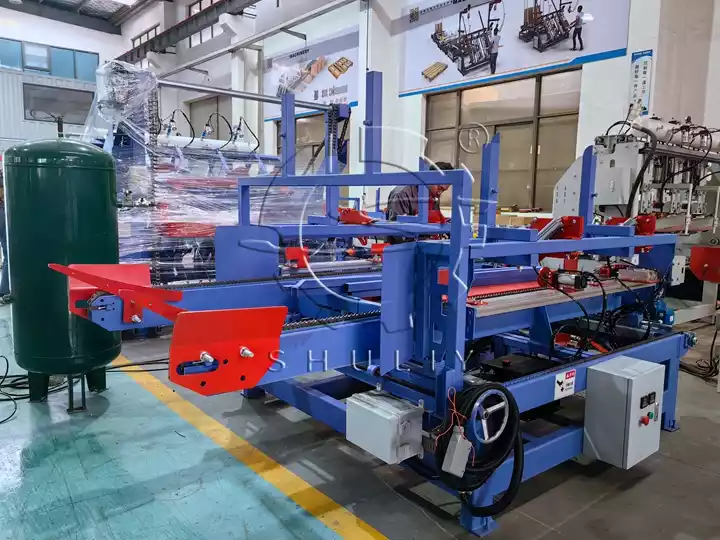
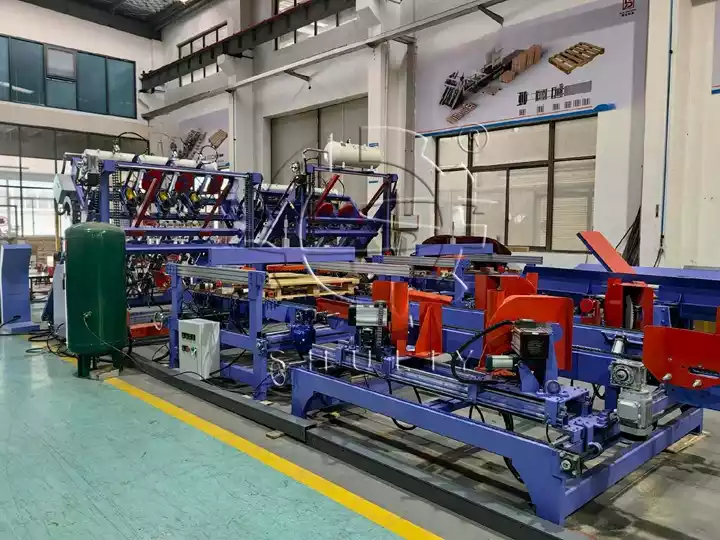
The equipment should be compatible with the required pallet dimensions and construction method. The production process should also provide sufficient control over board positioning and nail placement to maintain consistent quality.
For businesses targeting European customers, a properly configured EPAL pallet making machine can provide a stronger foundation for standardized pallet manufacturing.
EPAL Certification and Production Equipment Work Together
Certification and machinery serve different purposes.
EPAL requirements define what a compliant pallet should meet, while production equipment helps manufacturers achieve those requirements consistently at commercial scale.
Therefore, businesses planning to enter the European pallet market should consider both sides of the equation: understanding certification requirements and building a production process capable of delivering consistent results.
For manufacturers looking to expand into European-standard pallet production, investing in a suitable European pallet production line can help improve production efficiency, reduce dependence on manual labor, and support consistent pallet quality.
If you are planning to manufacture European pallets for export, our team can help you select and configure the appropriate pallet production equipment according to your target pallet size, output, and production requirements.