How Much Charcoal Can Be Made from 1 Ton of Coconut Shells?
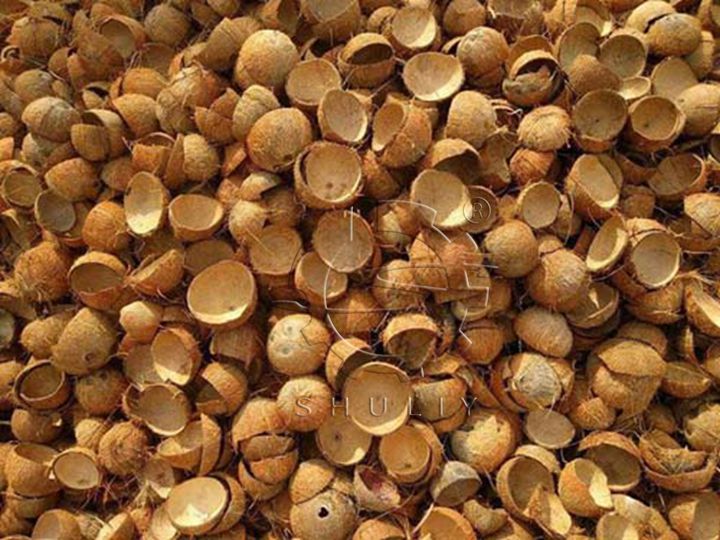
Coconut shells are an excellent raw material for charcoal production because they contain a high proportion of fixed carbon and can produce dense, high-quality charcoal. But before investing in a coconut shell charcoal business, one of the most important questions is: how much charcoal can be made from 1 ton of coconut shells?
The answer depends on the moisture content of the shells, carbonization temperature, heating conditions, and the type of coconut shell carbonization furnace used.
How Much Charcoal Does 1 Ton of Coconut Shells Produce?
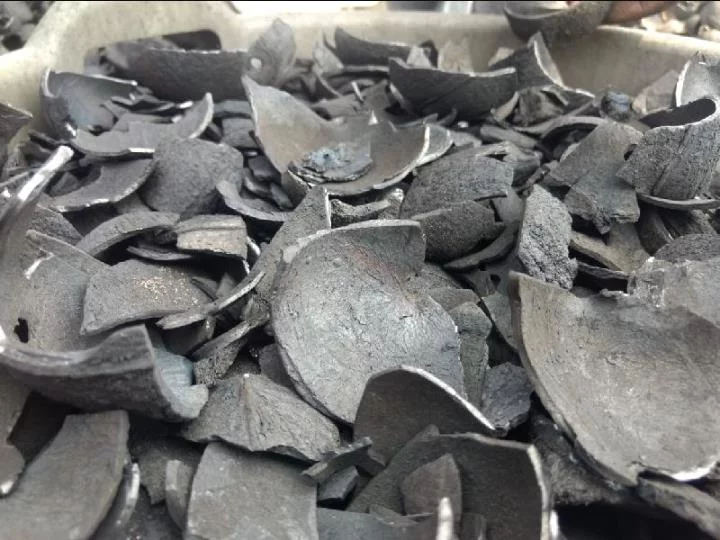
Under suitable carbonization conditions, 1 ton of dry coconut shells can typically produce around 250–350 kg of charcoal.
This means the approximate charcoal yield is 25%–35%.
For example:
| Cascas de coco | Approx. Charcoal Yield |
|---|---|
| 1 ton | 250–350 kg |
| 5 tons | 1.25–1.75 tons |
| 10 tons | 2.5–3.5 tons |
The actual yield can vary because wet shells contain more water and therefore produce less charcoal by weight.
What Affects Coconut Shell Charcoal Yield?
Charcoal yield is not determined by raw material quantity alone. Several factors can significantly affect the final output.
1. Moisture content: Drier coconut shells generally provide a more stable carbonization process and better effective yield.
2. Carbonization temperature: If the temperature is too low, carbonization may be incomplete. If it is too high or the process is poorly controlled, more carbon can be lost.
3. Carbonization time: Sufficient time is required for heat to penetrate the coconut shells evenly.
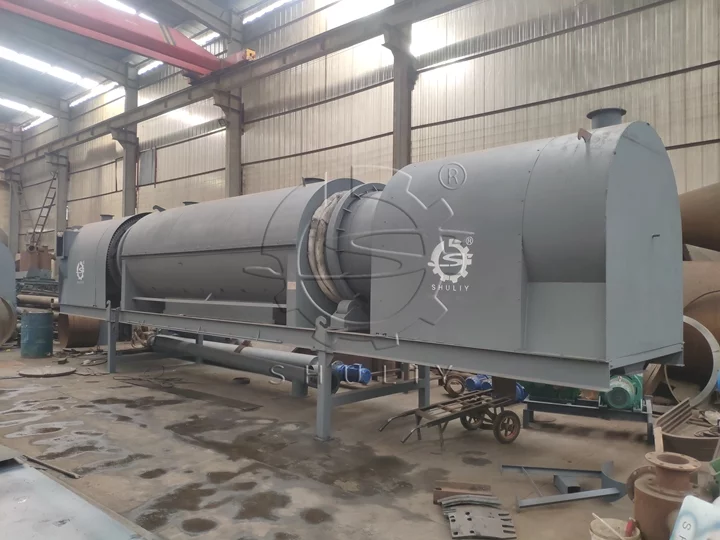
4. Furnace design: A properly designed coconut shell carbonization furnace can provide more uniform heating and better control of the carbonization process.
Why Use a Coconut Shell Carbonization Furnace?
Traditional open burning methods can result in inconsistent charcoal quality, material loss, smoke emissions, and difficult temperature control.
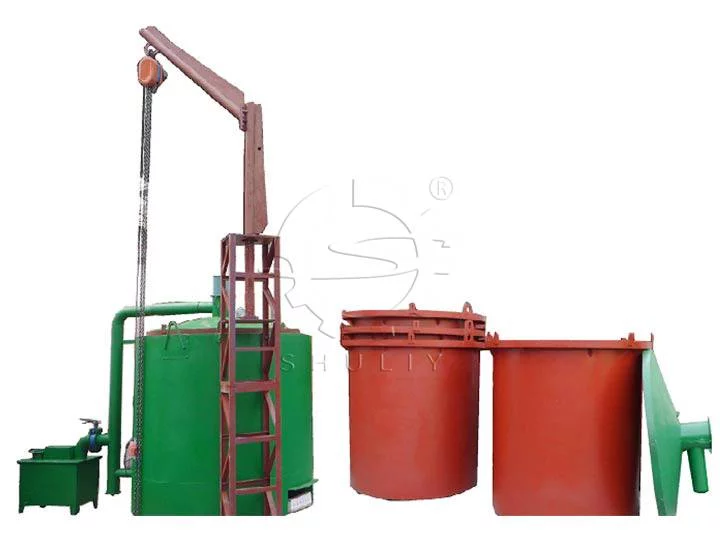
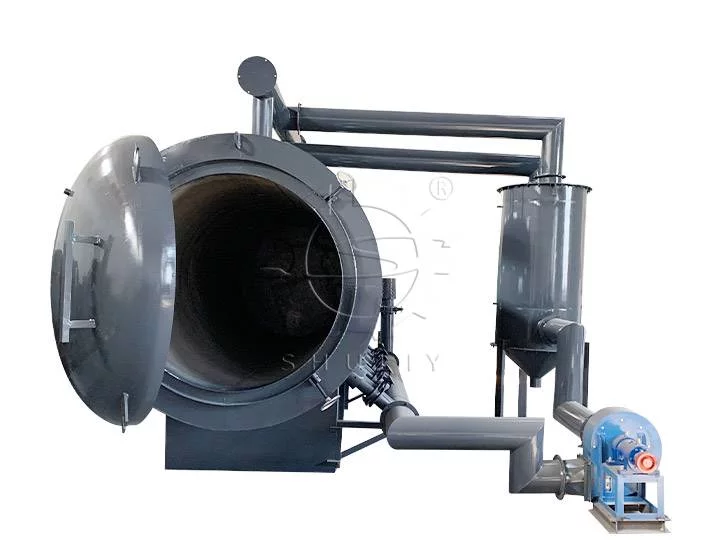
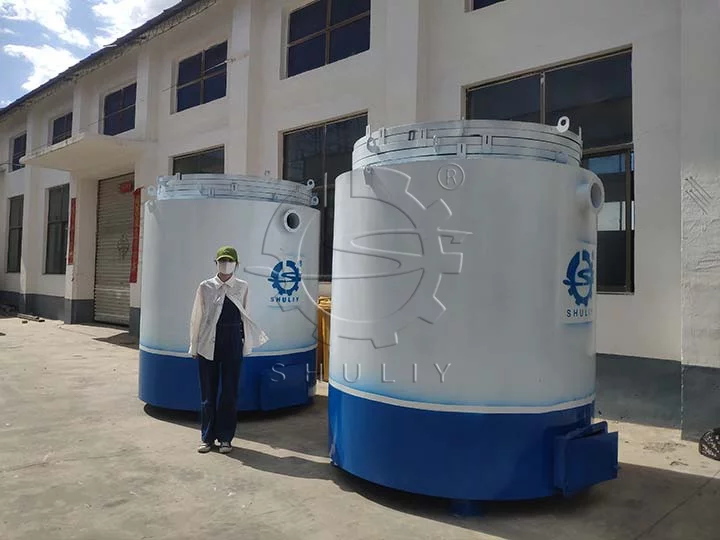
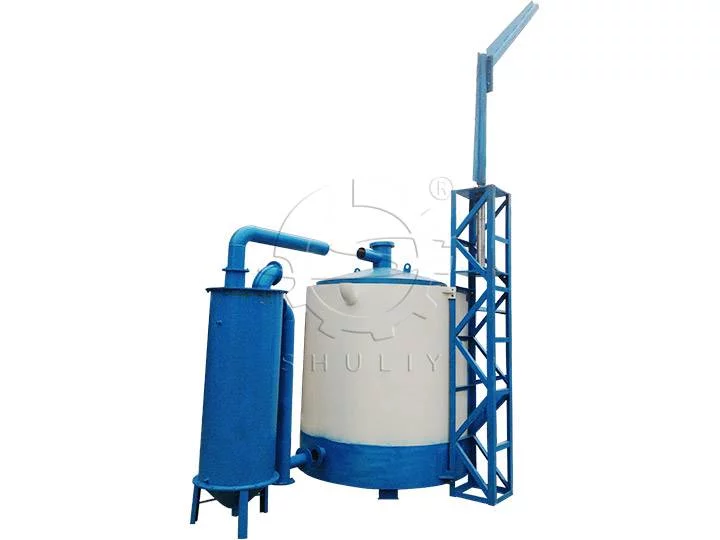
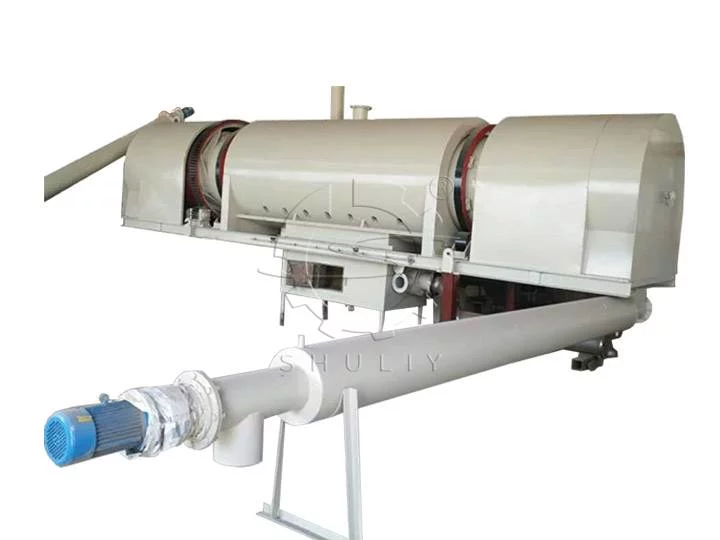
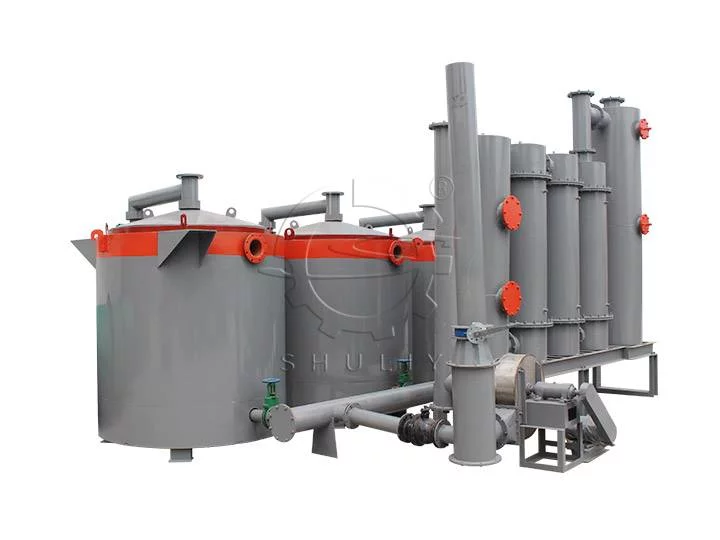
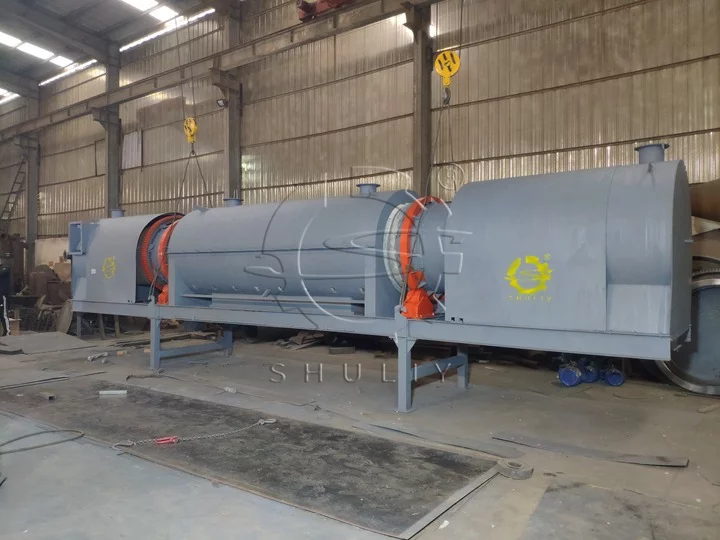
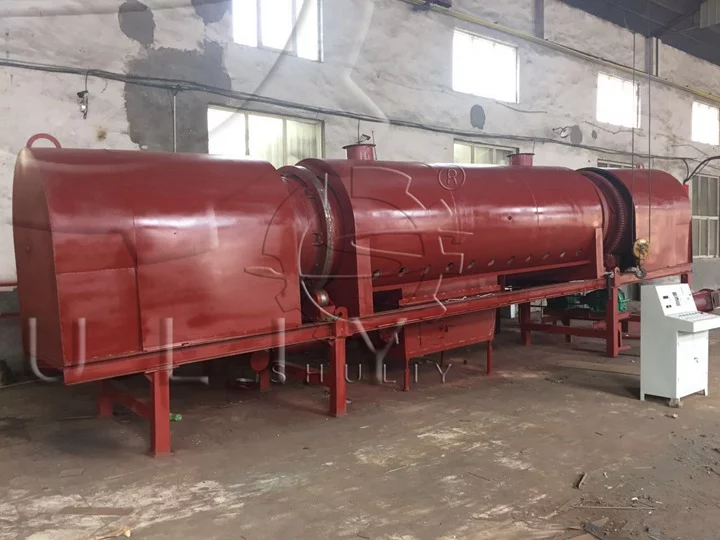
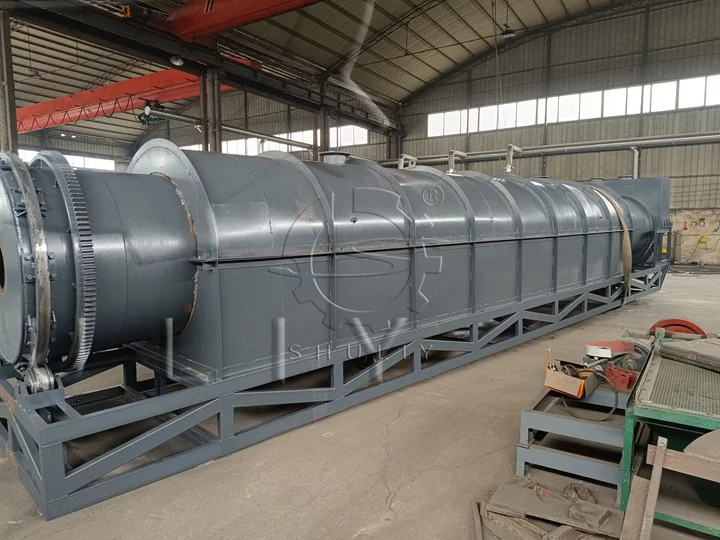
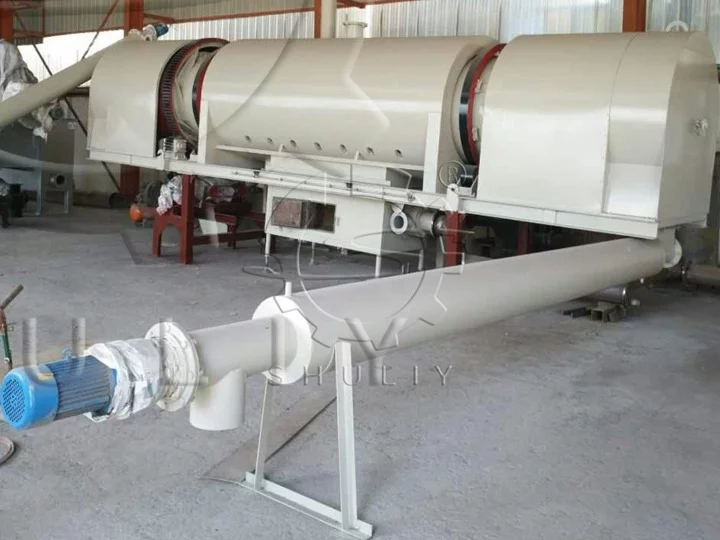
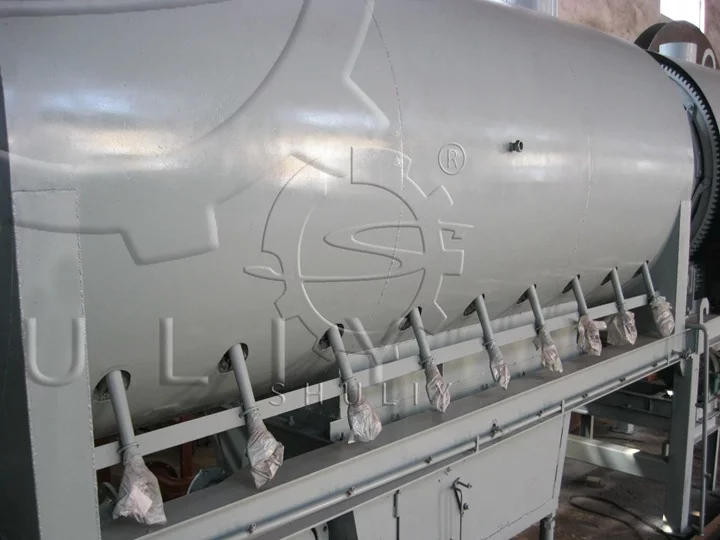
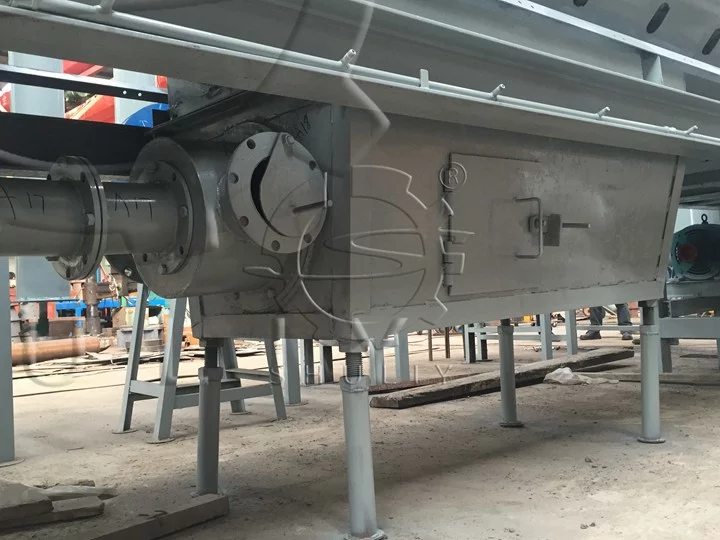
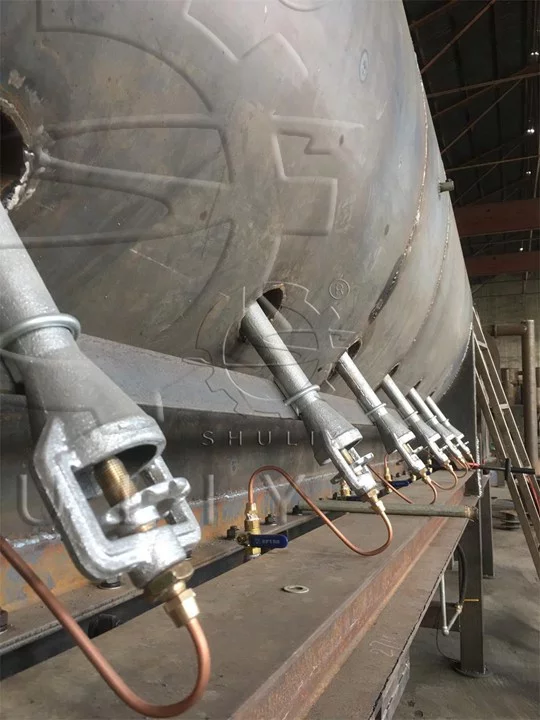
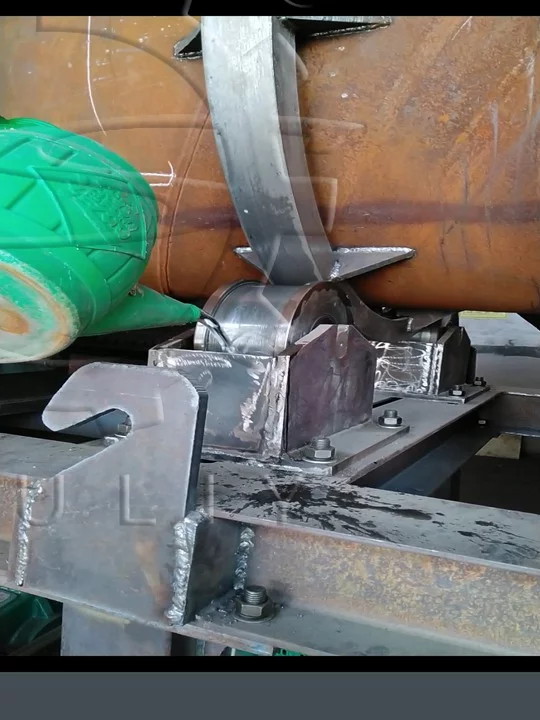
UM coconut shell carbonization furnace provides a more controlled environment for converting coconut shells into charcoal. It is suitable for businesses that need more stable production rather than processing small quantities manually.
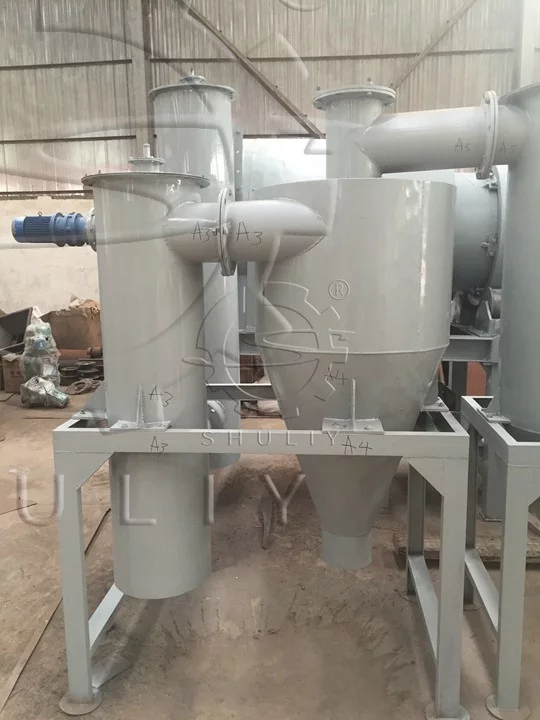
Depending on the model, the furnace can also be integrated into a larger coconut shell charcoal production line for continuous commercial production.

How Can You Increase the Profit from 1 Ton of Shells?
Increasing charcoal yield is only part of the business calculation. The quality and application of the charcoal also affect its selling value.
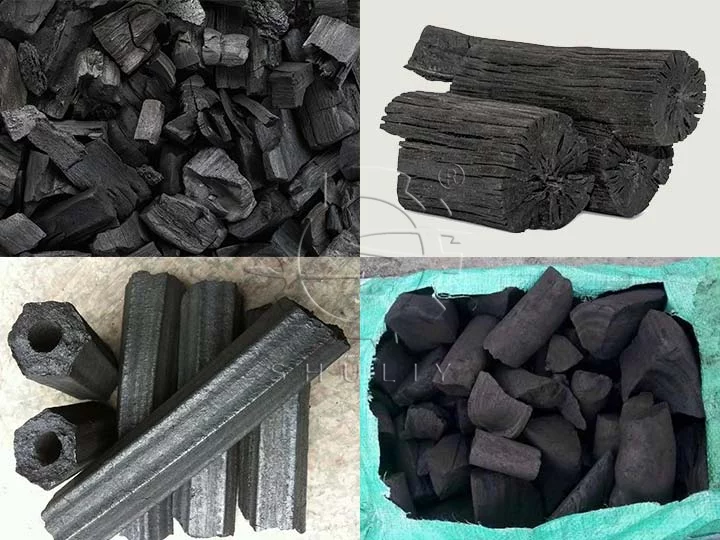
Coconut shell charcoal can be further processed into:
- Carvão para churrasco
- Shisha/hookah charcoal
- Activated carbon raw material
- Charcoal briquettes
Therefore, a business can choose different downstream processing methods according to local market demand.
For commercial production, it is important to calculate the complete cost, including coconut shells, drying, carbonization, labor, electricity, packaging, and charcoal processing.
Choose the Right Furnace for Your Production Capacity
If you have a large supply of coconut shells, investing in a suitable coconut shell carbonization furnace can help turn low-cost agricultural waste into a valuable charcoal product.
We can recommend furnace capacity and configuration according to your raw material supply, required charcoal output, and production scale. Contact us to get the furnace specifications, production videos, and a customized coconut shell charcoal solution.