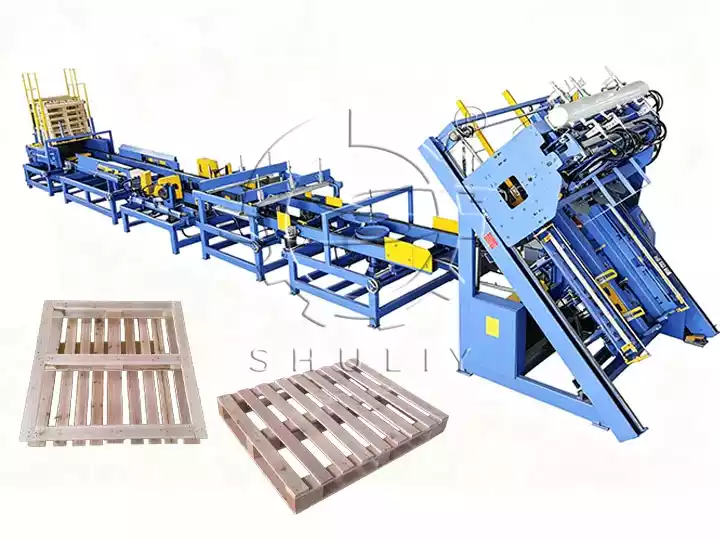
Why Are More Factories Investing in Euro Pallet Production Lines?
Wooden pallets are an essential component of modern logistics. Among the many pallet standards used worldwide, Euro pallets have become one of the most widely accepted solutions for transportation, warehousing, and export packaging. As global trade continues to expand, more manufacturers are beginning to see pallet production as a promising business opportunity.
This growing demand has led many factories to consider investing in an Euro pallet production line. But what is driving this trend, and why are automated pallet lines becoming increasingly attractive?
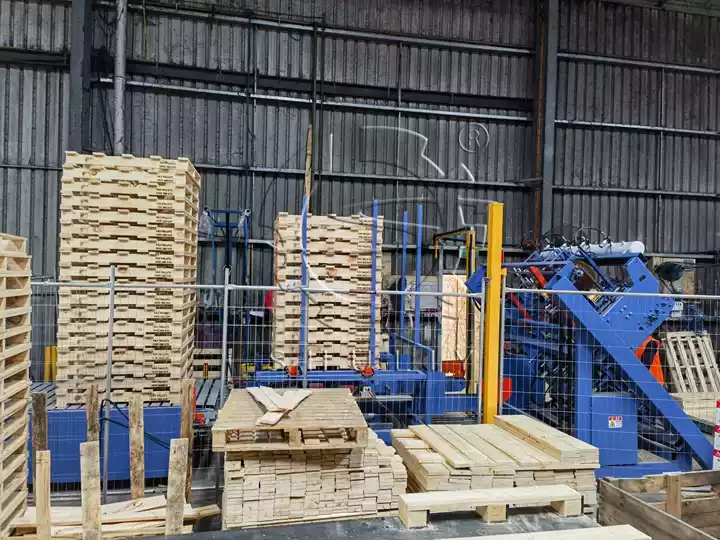
The Demand for Euro Pallets Continues to Grow
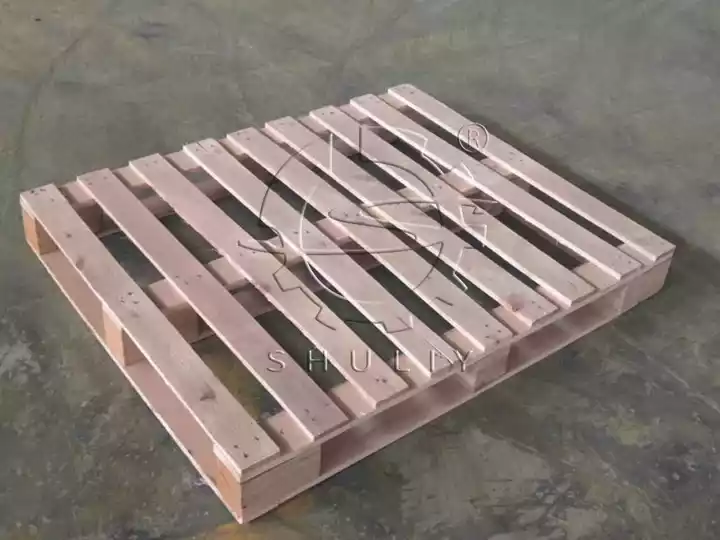
Euro pallets are designed according to standardized dimensions, allowing them to fit seamlessly into warehouses, trucks, and automated handling systems.
Their popularity is largely driven by industries such as:
- Food and beverage;
- Consumer goods;
- Manufacturing;
- E-commerce;
- International logistics.
As more products move through global supply chains, businesses require a steady supply of high-quality pallets to ensure efficient storage and transportation.
For pallet manufacturers, this growing demand presents long-term business opportunities.
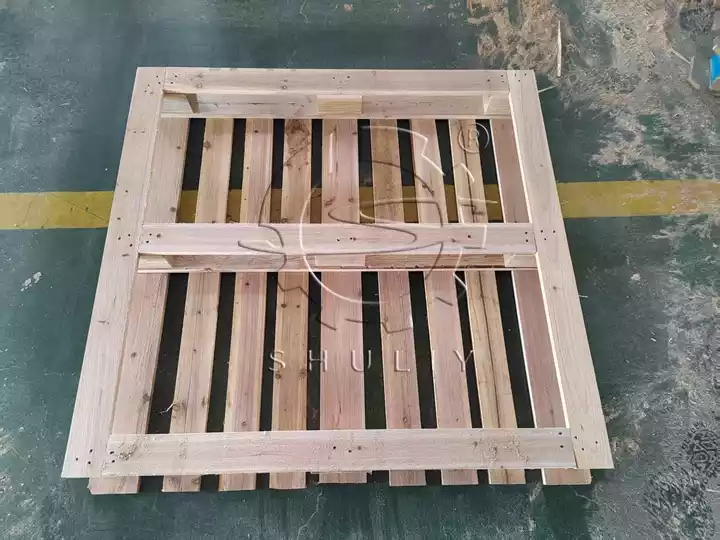
Manual Production Can Limit Expansion
Traditionally, wooden pallets were assembled by workers using handheld nail guns and simple workstations. While this method may be suitable for small workshops, it often creates challenges as production volumes increase.
Common issues include:
- Inconsistent pallet quality;
- Higher labor costs;
- Lower production efficiency;
- Difficulty meeting large orders;
- Greater material waste.
For companies looking to scale their operations, manual production can quickly become a bottleneck.
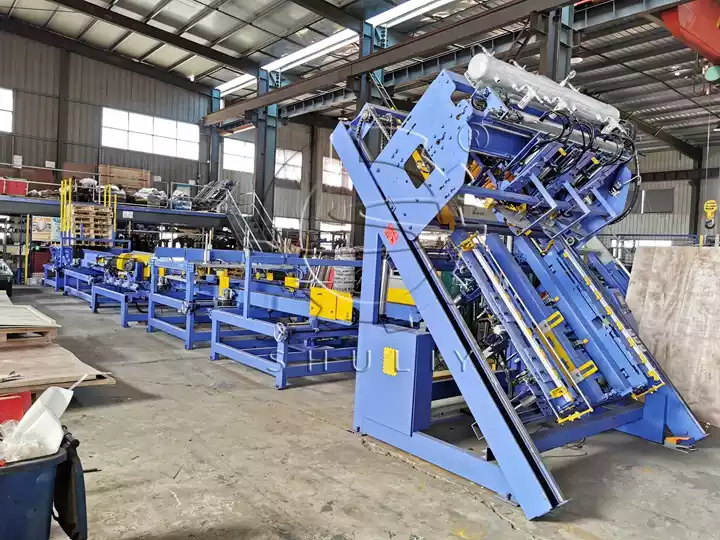
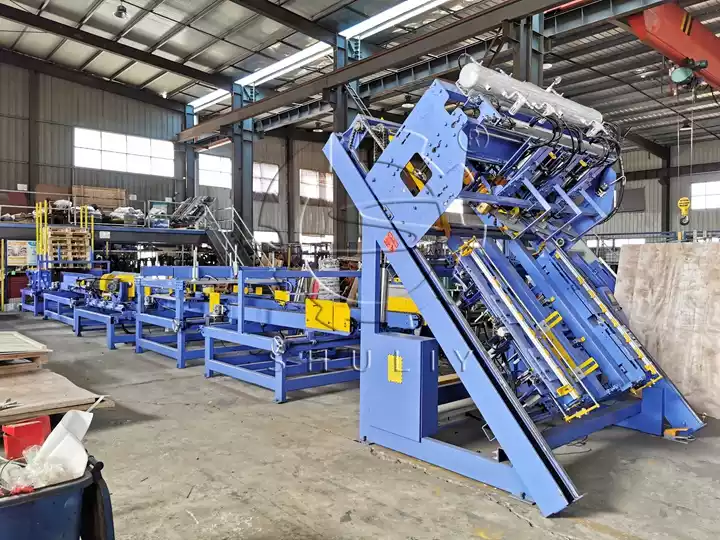
Automation Improves Productivity
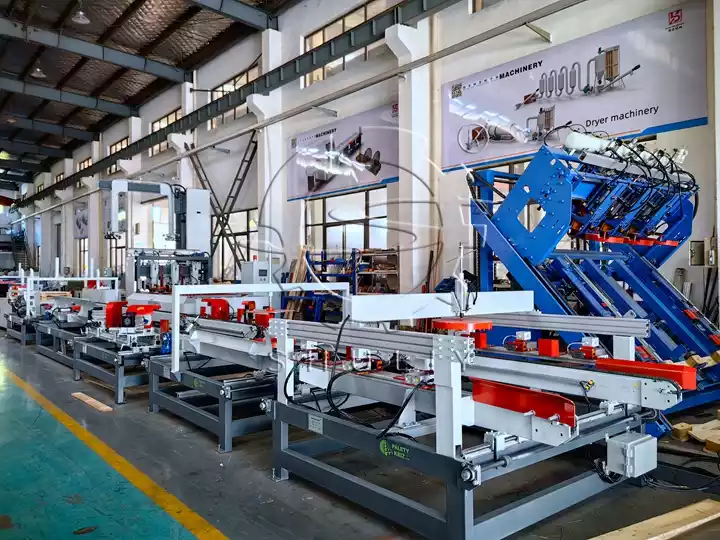
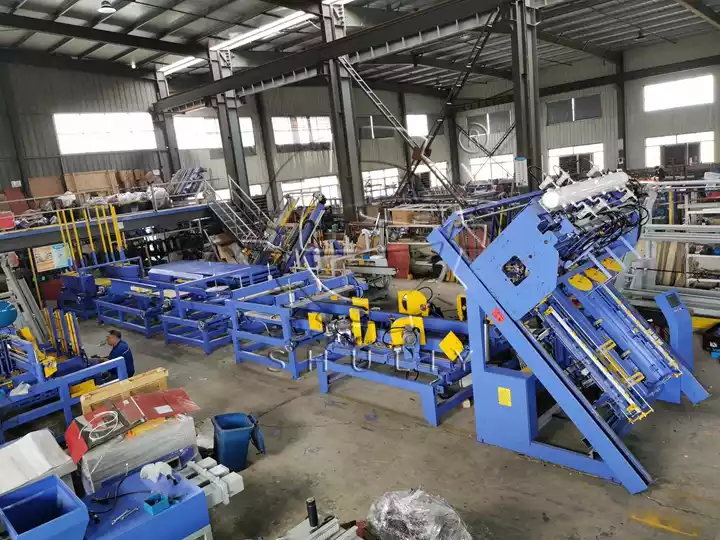
One reason many businesses invest in an Euro pallet production line is the ability to automate key manufacturing steps.
A typical production process may include:
- Timber cutting;
- Board positioning;
- Automatic nailing;
- Turning and stacking;
- Quality inspection.
By integrating these operations into a continuous workflow, manufacturers can significantly improve production efficiency and reduce dependence on manual labor.
Automation also helps factories maintain stable output levels, even during periods of high demand.
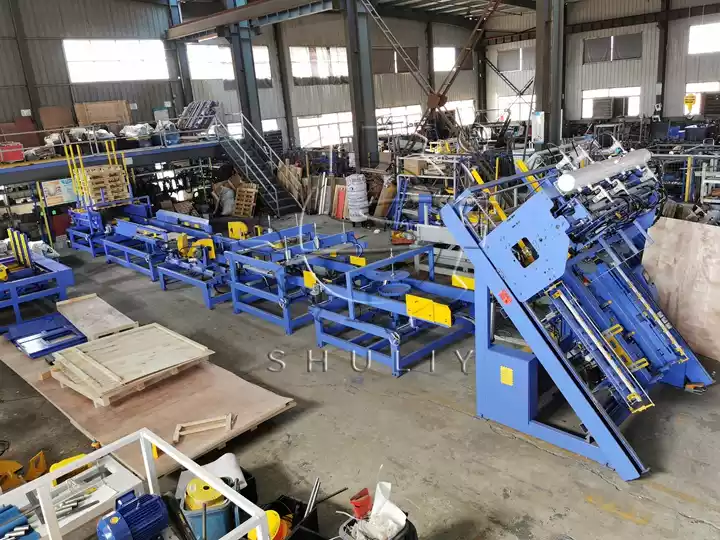
Consistent Quality Matters More Than Ever
Pallet buyers increasingly expect products that meet strict dimensional and structural requirements.
Poorly assembled pallets can cause problems during transportation, storage, and loading operations. In some cases, damaged pallets may even result in product losses.
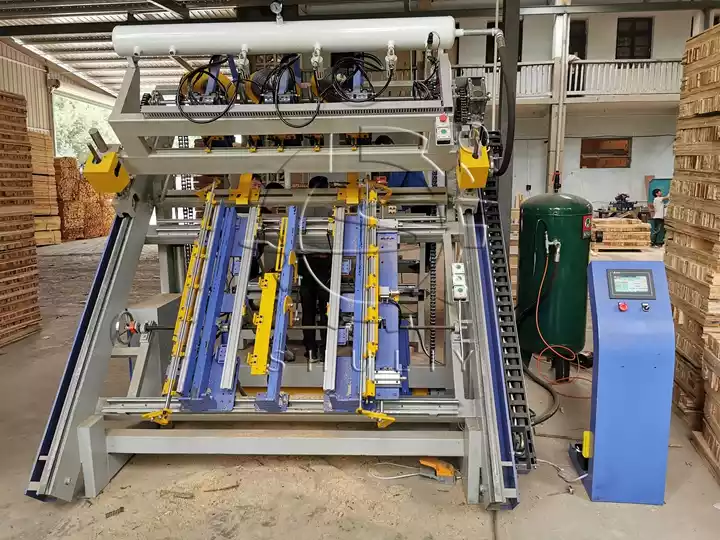
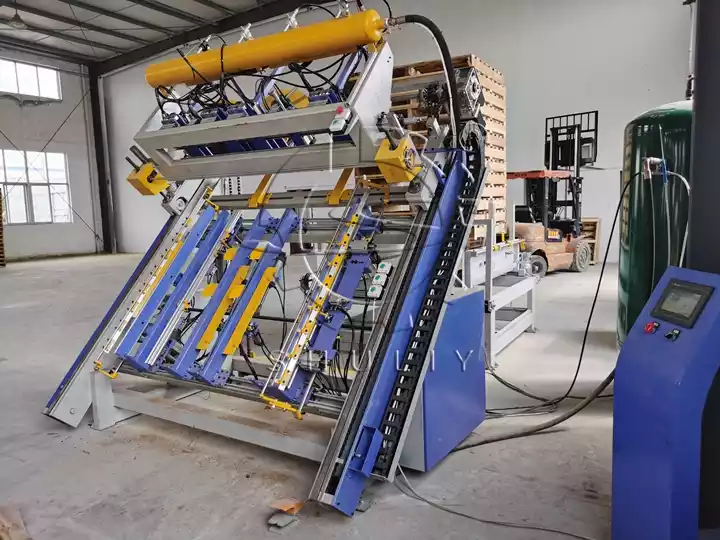
An automatic Euro pallet production line helps manufacturers achieve greater consistency by standardizing assembly processes and reducing human error.
This is particularly important for suppliers serving export markets or large logistics companies.
Lower Operating Costs Over Time
Although automation requires an initial investment, many pallet producers find that the long-term benefits outweigh the upfront costs.
Improved efficiency can lead to:
- Reduced labor expenses;
- Better raw material utilization;
- Faster order fulfillment;
- Increased production capacity.
For growing businesses, these advantages often contribute to stronger profitability and a quicker return on investment.
Preparing for Future Market Opportunities
The logistics industry is evolving rapidly, driven by e-commerce growth and increasing international trade.
As pallet demand continues to rise, manufacturers who adopt automated production methods may be better positioned to expand their businesses and remain competitive.
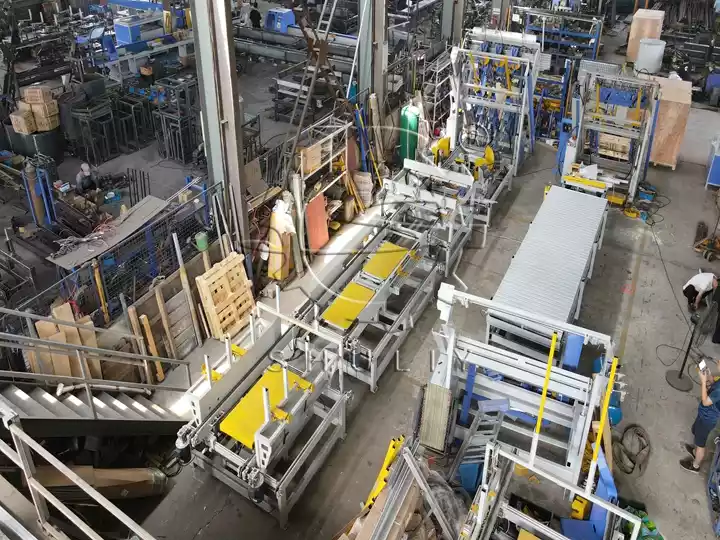
An Euro pallet production line not only supports higher productivity but also provides manufacturers with a more reliable and scalable approach to pallet manufacturing.
For companies considering entering the pallet business or upgrading existing operations, automation can be an effective strategy for meeting future market needs while improving overall efficiency.